
Overview
Mold in the bathroom can pose health risks and indicate moisture problems that may lead to structural damage. By implementing effective strategies such as improving ventilation, maintaining cleanliness, and addressing leaks, you can create a healthier environment. Regular maintenance and smart storage solutions will help you keep your bathroom fresh, inviting, and free from mold.
Table of Contents
- Understanding Mold in the Bathroom
- Bathroom Ventilation: A Key Factor
- Install an Exhaust Fan
- Open Windows
- Regular Cleaning Is Essential
- Use Mold-Resistant Cleaners
- Addressing Leaks and Water Issues
- Inspect Plumbing Regularly
- Seal Grout and Caulk
- Controlling Humidity Levels
- Use a Dehumidifier
- Limit Hot Showers
- Storage Solutions That Prevent Mold
- Avoid Storing Damp Towels
- Use Air-tight Containers
- Implementing Essential Hygiene Practices
- Wipe Down Surfaces
- Keep Bathmats Dry
- Utilizing Natural Remedies
- Vinegar Spray
- Baking Soda Paste
- Why Regular Maintenance Matters
- The Role of a Comprehensive Cleaning Kit
- Keep Your Bathroom Fresh and Inviting
Key Takeaways
- Mold thrives in damp environments: Bathrooms are ideal for mold growth due to high humidity and moisture accumulation.
- Effective ventilation is crucial: Install an exhaust fan and keep it running for at least 20–30 minutes after showers to reduce humidity.
- Regular cleaning prevents mold: Use mold-resistant cleaners weekly on surfaces like shower walls, tiles, and countertops.
- Address leaks promptly: Regularly inspect plumbing for leaks and seal grout and caulk to prevent water infiltration.
- Maintain low humidity levels: Use a dehumidifier and limit hot showers to keep moisture levels down.
- Optimize storage solutions: Store towels and toiletries in a way that minimizes moisture retention, using air-tight containers when necessary.
- Implement regular maintenance: Establish cleaning rituals and inspections to foster a mold-free bathroom environment for long-term health benefits.
Mold in the bathroom is not only an unsightly nuisance but also a potential health hazard. Its presence can indicate moisture issues that, if left unresolved, can lead to structural damage in your home. Fortunately, with a few effective strategies, you can keep your bathroom mold-free and maintain a healthier living environment. In this article, we’ll explore several practical tips that can help you combat the pesky mold problem and ensure your space remains fresh and clean.
Understanding Mold in the Bathroom
Mold thrives in damp, warm environments, making bathrooms an ideal breeding ground. When moisture accumulates on bathroom surfaces, it creates an environment where mold spores can grow. Understanding how mold develops and what factors contribute to its growth can empower you to take proactive measures. Common types of mold found in bathrooms include:
- Aspergillus: Often found in damp areas, it can appear as black or green patches.
- Penicillium: Generally blue or green in color, this mold can also affect the respiratory system.
- Cladosporium: This mold appears dark and can grow on fabrics and surfaces, especially if damp.
To effectively eliminate mold, it’s vital to understand its lifecycle and the conditions that promote its growth.
Bathroom Ventilation: A Key Factor
One of the best defenses against bathroom mold is effective ventilation. Proper airflow helps reduce humidity levels, making it less hospitable to mold spores.
Install an Exhaust Fan
If you don’t already have an exhaust fan in your bathroom, consider installing one. An exhaust fan should ideally be vented outside to expel humid air. Run the fan during and after showering to help lower humidity levels. Aim to keep the fan on for at least 20–30 minutes after you finish your shower.
Open Windows
Whenever weather permits, open windows to allow fresh air to circulate. Cross-ventilation can significantly lower indoor humidity and keep your bathroom dry.
Regular Cleaning Is Essential
Regular cleaning routines not only help in maintaining the hygiene of your bathroom but can also prevent mold growth. Using complete home cleaning solutions for your bathroom cleaning can efficiently tackle mold remnants before they morph into bigger problems.
Use Mold-Resistant Cleaners
While you can make your own cleaning solutions using vinegar or baking soda, having a reliable cleaner specifically designed to combat mold can be more effective. Incorporate these cleaning agents into your routine at least once a week. Clean surfaces such as:
- Shower walls and doors
- Bathtubs
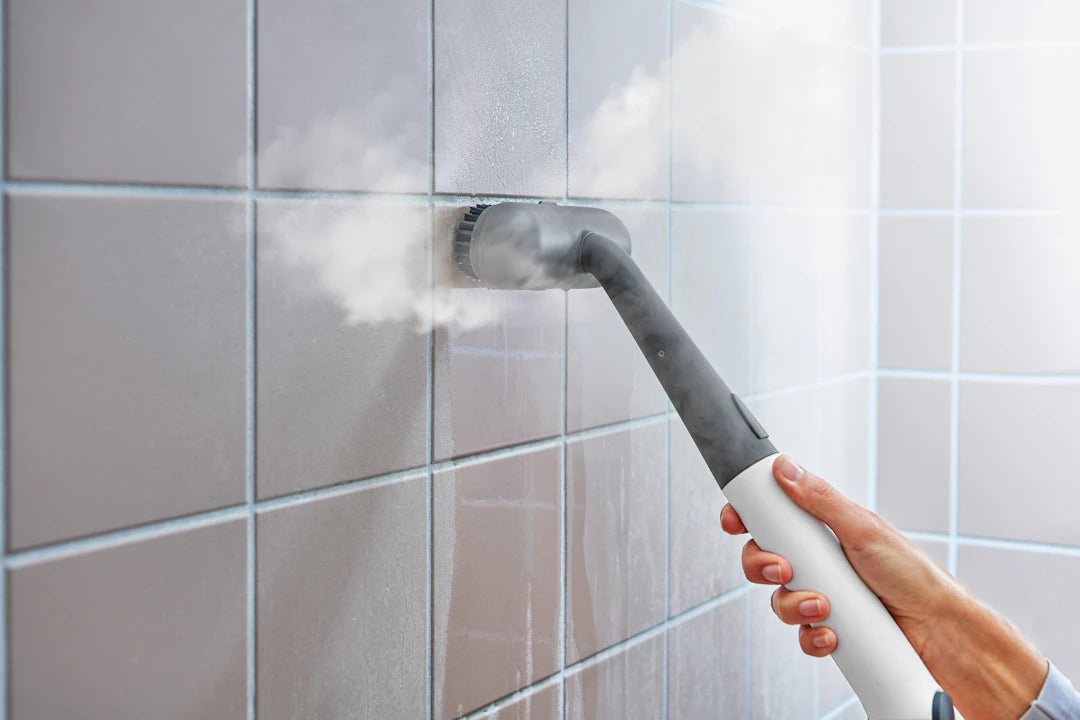
- Bathroom tiles and grout
- Sink and countertops
Don’t forget to scrubbing areas that are often overlooked, like behind the toilet or beneath the sink.
Addressing Leaks and Water Issues
Unmanaged water leaks can lead to persistent moisture, which is a primary cause of mold growth. Here are a few steps to ensure your bathroom remains leak-free:
Inspect Plumbing Regularly
Take time to check under the sink, around the toilet, and in other plumbing areas for any signs of leaks or dripping water. If you detect any issues, fix them promptly to prevent moisture accumulation.
Seal Grout and Caulk
Regularly inspect the grout between your tiles and the caulking around bathtubs and sinks. If you notice cracks or gaps, re-seal these areas to prevent water infiltration. This maintenance will help keep the underlying surfaces dry and reduce the chance of mold taking hold.
Controlling Humidity Levels
Maintaining low humidity levels in your bathroom is critical for preventing mold growth. Here are some helpful tips:
Use a Dehumidifier
If your bathroom tends to retain moisture even with ventilation, consider using a dehumidifier. A small unit can effectively reduce humidity levels, making it less favorable for mold to thrive.
Limit Hot Showers
While hot showers can be relaxing, they can generate significant amounts of steam, increasing humidity. Try to take shorter, cooler showers, and ensure the bathroom is well-ventilated while you bathe.
Storage Solutions That Prevent Mold
Your storage solutions can also contribute to mold growth if left damp or improperly managed. Here are some strategies to optimize bathroom storage:
Avoid Storing Damp Towels
Always hang towels to dry fully before putting them away in cabinets. Consider installing hooks or racks to facilitate proper drying. Avoid using closed containers for damp items to minimize moisture retention.
Use Air-tight Containers
Ensure that products prone to moisture—like cotton balls, makeup, or toiletries—are stored in air-tight containers. This prevents moisture from penetrating and causing mold growth on the items themselves or within the storage area.
Implementing Essential Hygiene Practices
The lifestyle choices and habits you maintain can have a significant impact on your bathroom’s cleanliness and mold status.
Wipe Down Surfaces
After bathing, take a moment to wipe down the wet surfaces in your bathroom. This quick practice removes moisture from walls and mirrors, reducing the amount of time mold has to grow.
Keep Bathmats Dry
Bathmats can trap moisture, creating prime conditions for mold development. Ensure bathmats are dried regularly, either by washing them or allowing them to air dry after each use. Consider keeping a spare mat that can be rotated to ensure one is always dry and clean.
Utilizing Natural Remedies
There are several natural remedies you can use to combat mold effectively while minimizing chemicals in your space. Consider the following:
Vinegar Spray
Vinegar is a natural mold killer. Mix equal parts vinegar and water in a spray bottle, and apply it to affected areas. After letting it sit for at least an hour, wipe it clean with a cloth. This method not only cleans but also leaves a fresh scent!
Baking Soda Paste
Baking soda is another effective natural cleaner. Mix it with water to form a paste, then apply it to moldy spots. After 10-15 minutes, scrub and rinse. Baking soda absorbs moisture and prevents mold from coming back.
Why Regular Maintenance Matters
Maintaining a mold-free bathroom goes beyond immediate actions. It's about fostering a culture of regular maintenance that will keep your bathroom in optimal condition. Integrating cleaning rituals and inspections into your weekly or monthly schedules can save you from bigger issues down the line.
Additionally, this proactive approach contributes to healthier living spaces. The air quality in a mold-free bathroom is significantly better, reducing potential allergic reactions and respiratory issues.
The Role of a Comprehensive Cleaning Kit
To further simplify your cleaning routines, consider investing in a comprehensive cleaning kit that contains all the necessary tools for maintaining a spotless bathroom. An all-in-one home cleaning solution can provide the essentials you need to tackle various tasks, from everyday cleaning to more thorough mold removal efforts.
Keep Your Bathroom Fresh and Inviting
Implementing these tips into your regular cleaning and maintenance routines will help create a mold-free bathroom environment. From proper ventilation to consistent cleaning practices and effective storage solutions, every effort contributes to a healthier, more pleasant space. Don’t forget to stock up on complete home cleaning solutions that provide the versatility and cleaning power needed to keep your bathroom and other areas of your home shining bright.
Taking these steps not only protects your health but also extends the life of your bathroom fixtures and surfaces. By staying proactive and informed, you can enjoy a clean, inviting, and mold-free bathroom for years to come!
Frequently Asked Questions
1. What causes mold to grow in bathrooms?
2. How can I effectively ventilate my bathroom to prevent mold?
3. What cleaning methods are best for keeping mold at bay in the bathroom?
4. How can I control humidity levels in my bathroom?
5. Why is regular maintenance important for preventing bathroom mold?
Glossary
| Term | Meaning |
|---|---|
| Mold | A fungus that thrives in damp environments, potentially harmful to health. |
| Ventilation | The process of providing fresh air to reduce humidity and prevent mold. |
| Exhaust Fan | A device used to expel humid air from bathrooms to improve airflow. |
| Dehumidifier | A machine that removes moisture from the air to lower humidity levels. |
| Mold-Resistant Cleaners | Cleaning products specifically designed to eliminate and prevent mold growth. |
| Cross-Ventilation | Allowing air to flow through multiple openings to reduce indoor humidity. |
| Natural Remedies | Non-chemical solutions, like vinegar and baking soda, used to combat mold. |
| Regular Maintenance | Consistent cleaning and inspections to prevent mold and maintain hygiene. |
| Humidity Levels | The amount of moisture in the air, which affects mold growth potential. |
| Air-tight Containers | Sealed storage that prevents moisture from entering, protecting contents from mold. |
Linked Product

Ultimate Home Cleaning Kit
The Ultimate Home Cleaning Kit offers a comprehensive solution for maintaining cleanliness across your entire home, from the kitchen to the bathroom. With a variety of all-in-one cleaners, specialized gels, and air fresheners, this kit ensures you have the tools needed for effective cleaning in every space. Its built-in microfiber cloths simplify the cleaning process, helping you achieve a spotless environment with ease.
View Product
Share:
How to Clean and Maintain Your Kitchen Appliances