Overview
This guide provides essential steps for cleaning and sterilizing kids' toys using eco-friendly household supplies. Regular cleaning is crucial for health safety, longevity, and peace of mind. It covers different cleaning methods for soft, plastic, and electronic toys, as well as maintenance schedules and signs for toy replacement. Involving kids in cleaning can promote responsibility, and proper storage helps maintain cleanliness.
Table of Contents
- Why Clean and Sterilize Kids' Toys?
- Materials You’ll Need
- Preparation: Assessing the Toys
- Cleaning Soft Toys
- Cleaning Plastic Toys
- Cleaning Electronic Toys
- Regular Maintenance Schedule
- Eco-Friendly Cleaning Solutions
- Signs Your Child’s Toys Need Replacing
- Involving Kids in Cleaning
- Storing Toys After Cleaning
- Final Thoughts on Healthy Playtime
Key Takeaways
- Health Safety: Regular cleaning reduces the risk of infections and illnesses from germs and bacteria on toys.
- Materials Needed: Gather supplies like gentle liquid soap, white vinegar, and microfiber cloths for effective cleaning.
- Cleaning Methods: Soft toys can be machine-washed, while plastic toys can be soaked and scrubbed; electronic toys require surface cleaning.
- Regular Maintenance: Establish a cleaning schedule: daily quick wipes, weekly thorough cleans, and monthly deep cleans for stuffed animals.
- Eco-Friendly Solutions: Use natural ingredients like baking soda and vinegar for effective and safe cleaning.
- Signs of Replacement: Replace toys that show tears, broken parts, or persistent stains and odors.
- Involve Kids: Engage children in the cleaning process through fun games and reward systems to teach responsibility.
Frequently Asked Questions
1. Why is it important to clean and sterilize kids' toys?
2. What materials do I need to clean my child's toys?
3. How should I clean soft toys?
4. What signs indicate that a toy needs to be replaced?
5. How can I involve my kids in the cleaning process?
As parents, maintaining a clean and safe environment for our little ones is a top priority. Kids' toys, a haven for creativity and fun, can quickly gather dirt, germs, and other contaminants. This comprehensive guide will walk you through the crucial steps to effectively clean and sterilize kids' toys, using eco-friendly household cleaning supplies that are safe for your children. Let’s dive in!
Why Clean and Sterilize Kids' Toys?
Children love to explore, and often that means putting toys in their mouths or playing with them in unsanitary environments. This can lead to the spread of germs, bacteria, and illnesses. Regular cleaning and sterilization of kids’ toys are essential for:
- Health Safety: Reducing the risk of infections and illnesses.
- Longevity: Keeping toys in good condition, extending their lifespan.
- Peace of Mind: Making sure your children are playing safely.
Materials You’ll Need
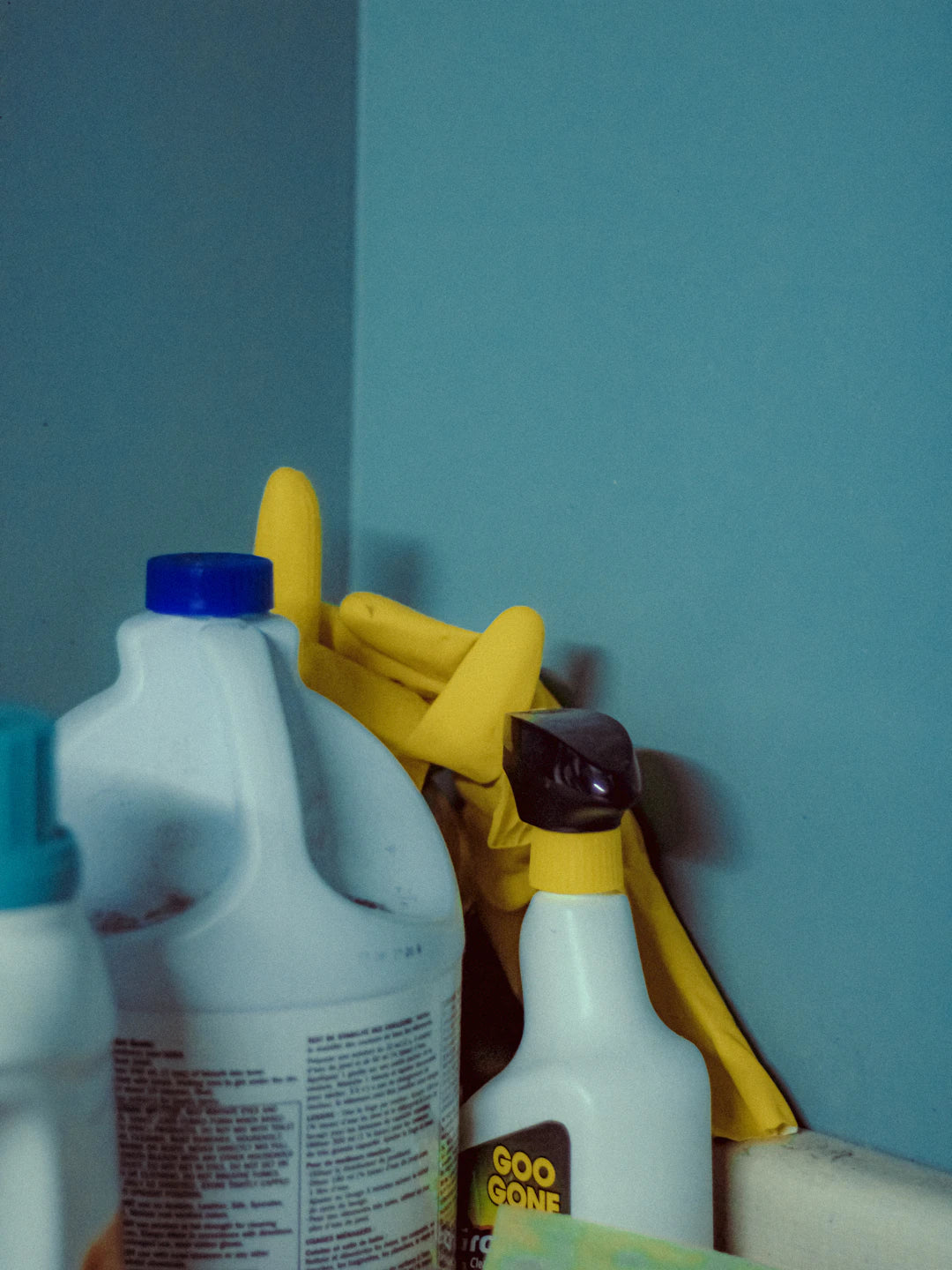
Before you embark on your cleaning quest, gather your supplies. Here’s a list of household cleaning supplies you might consider using for optimal toy care:
- Gentle liquid soap
- White vinegar
- Water
- Microfiber cloths
- Low-sudsing dish soap
- Rubbing alcohol
- Soft-bristled brushes
- Spray bottles
Preparation: Assessing the Toys
Not all toys require the same cleaning method. It’s essential to examine each toy and sort them accordingly:
- Soft Toys: Stuffed animals and plush toys can often be machine-washed.
- Plastic Toys: Hard plastic toys can typically be submerged in water and cleaned easily.
- Electronic Toys: These need special care, often requiring surface cleaning only.
Cleaning Soft Toys
Soft toys offer comfort but can harbor allergens and germs. Here’s how to clean them:
- Check Labels: Always check the manufacturer's label for care instructions.
- Machine Wash: Place soft toys in a pillowcase or laundry bag to protect them while washing.
- Air Dry: After washing, let the toys air dry completely before giving them back to your child.
Cleaning Plastic Toys
Plastic toys are generally the simplest to clean and can withstand more vigorous cleaning methods.
- Soak in Soapy Water: Fill a basin with warm water and add a few drops of gentle liquid soap.
- Scrub and Rinse: Use a microfiber cloth or soft brush to scrub the toys, ensuring all dirt and grime is removed. Rinse thoroughly with clean water.
- Disinfect: Use a mixture of equal parts water and white vinegar for a natural disinfectant. Spray onto toys and allow it to sit for a few minutes before rinsing off.
Cleaning Electronic Toys
Electronic toys require extra caution to prevent damage:
- Surface Wipe: Use a damp microfiber cloth to wipe the surface—avoid soaking the toy.
- Disinfect Buttons and Key Areas: Dab a bit of rubbing alcohol on a cloth and carefully wipe buttons and other high-contact areas.
- Air Dry: Allow the toy to dry completely before turning it back on.
Regular Maintenance Schedule
Cleaning kids’ toys shouldn’t be a daunting task if you establish a regular schedule. Here’s a suggested timeline to keep your child’s toys in pristine condition:
- Daily: Quick wipe-down of toys that are frequently used, especially before meals or after playdates.
- Weekly: A thorough clean of all toys, focusing on soft and plastic ones.
- Monthly: Deep clean stuffed animals and examine electronic toys for wear and tear.
Eco-Friendly Cleaning Solutions
Using safe household cleaning supplies is crucial for your child's health. Many natural ingredients can be used effectively for cleaning:
- Baking Soda: A gentle abrasive, effective in removing dirt and odors.
- Vinegar: A powerful disinfectant that neutralizes odors and cuts through grime.
- Soap: An essential in all cleaning processes, ensuring safe dirt removal.
Signs Your Child’s Toys Need Replacing
Even with regular cleaning, some toys may need to be replaced when they show signs of wear. Look out for:
- Tears or Holes: Stuffed animals with damaged fabric can harbor germs.
- Broken Parts: Toys with missing pieces may be unsafe, posing choking hazards.
- Stains and Odors: Persistent stains and odors may be signs that a toy is beyond cleaning.
Involving Kids in Cleaning
Cleaning doesn’t have to be a solo mission. Engaging your children helps them learn about responsibility and hygiene:
- Fun Games: Turn cleaning into a fun game where they race to clean up toys.
- Teach Importance: Explain the reasons behind keeping toys clean to instill good habits.
- Reward System: Use a reward chart or system where they earn points for cleaning effort, redeemable for fun treats or privileges.
Storing Toys After Cleaning
Proper storage is equally important as cleaning. Properly storing toys can help maintain cleanliness and organization:
- Use Clear Bins: Clear bins allow children to see their toys while keeping them contained.
- Label Bins: Labeling each bin helps children identify where to place toys, promoting organization.
- Rotation: Consider rotating toys to minimize mess and allow for focused playtime on a select few.
Final Thoughts on Healthy Playtime
Keeping your child’s toys clean and sanitized ensures a safe play environment, offering peace of mind to parents. By investing a little time and utilizing the right household cleaning supplies, you can provide a fun yet sanitary space for your kids to explore their creativity. Happy cleaning, and enjoy those precious moments of play!
Glossary
| Term | Meaning |
|---|---|
| Eco-Friendly | Safe for the environment and non-toxic for children. |
| Disinfect | To kill germs and bacteria on surfaces. |
| Soft Toys | Stuffed animals and plush items that provide comfort. |
| Plastic Toys | Durable toys made from hard plastic materials. |
| Electronic Toys | Toys that require batteries or have electronic components. |
| Microfiber Cloth | A soft cleaning cloth that traps dirt and germs. |
| Routine Maintenance | Regular cleaning schedule to keep toys in good condition. |
| Rotation | Changing the toys available to minimize mess and enhance play. |
| Labeling | Identifying storage bins to promote organization. |
Linked Product

Ultimate Home Cleaning Kit
The Ultimate Home Cleaning Kit offers a versatile solution for maintaining cleanliness throughout your home. With a range of all-purpose and glass cleaners, along with travel-sized options, it provides effective cleaning for various surfaces, ensuring a quick and convenient cleaning experience. The included scented sachets add a pleasant fragrance, making it suitable for use in multiple spaces, from kitchens to closets.
View Product
Share:
Mastering the Art of Cleaning Hard-to-Reach Areas
The Incredible Benefits of Regular Professional Cleaning