Overview
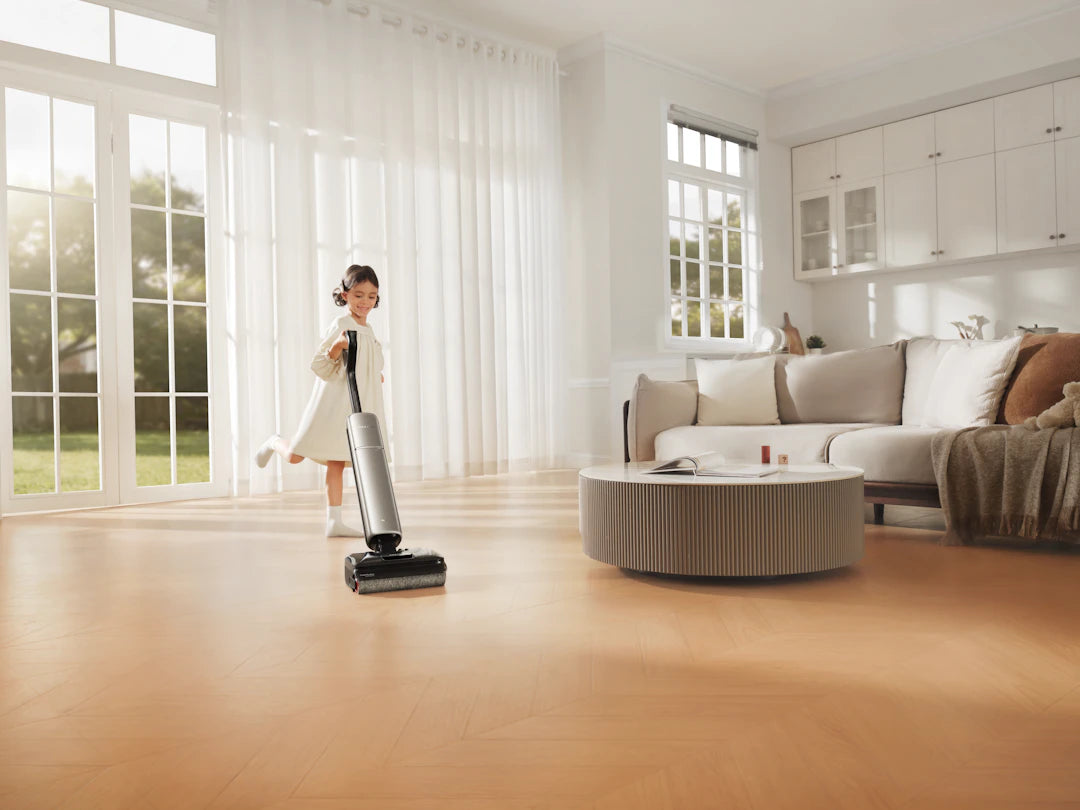
Involve your kids in cleaning to teach them responsibility and create a tidy home. Establish a kid-friendly cleaning routine with age-appropriate tasks, make it fun through games and music, and emphasize safe cleaning practices. Celebrate achievements and maintain consistency to foster lifelong habits while transforming cleaning into an enjoyable family activity.
Table of Contents
- The Importance of Involving Kids in Cleaning
- Setting Up a Kid-Friendly Cleaning Schedule
- Determine Daily Tasks
- Weekly Cleaning Routines
- Making Cleaning Fun for Kids
- Gameify the Cleaning Process
- Incorporate Music
- Teaching Kids About Safe Cleaning Practices
- Choosing the Right Cleaning Supplies
- Proper Tools for Cleaning
- Effective Cleaning Techniques to Teach Kids
- Shifting the Focus on Technique
- Cleaning Together
- Creating a Rewarding Atmosphere
- Celebrate Achievements
- Incorporate Family Reward Days
- Transforming Cleaning Areas into Learning Spaces
- Project-Based Cleaning Tasks
- Community Involvement
- Maintaining the Momentum
- Cultivate Consistency
- Checklists to Stay on Track
- Creating Lasting Habits
- Encouragement Goes A Long Way
- The Legacy of Cleaning Together
- Final Thoughts on Crafting a Fun Cleaning Routine
Key Takeaways
- Involve Kids in Chores: Engaging children in household tasks teaches responsibility and fosters a sense of ownership.
- Create a Cleaning Schedule: Establish a structured routine with age-appropriate tasks for each child to develop good habits.
- Make Cleaning Fun: Use games, music, and rewards to transform cleaning into an enjoyable activity for kids.
- Teach Safe Practices: Always choose kid-safe cleaning products and provide age-appropriate tools to ensure responsible cleaning.
- Celebrate Achievements: Acknowledge your children's efforts after tasks to reinforce positive behavior and motivation.
- Maintain Consistency: Develop a regular cleaning practice to cultivate responsibility and make cleaning a natural part of family life.
- Encourage Community Involvement: Engage children in community cleaning events to build awareness and social responsibility.
Cleaning can feel like a tedious chore, especially when you have children running around. However, establishing a kid-friendly cleaning routine not only helps maintain a tidy home but also teaches your little ones valuable life skills. Here are some tips to create a cleaning system that is engaging, effective, and, most importantly, fun for your kids.
The Importance of Involving Kids in Cleaning
Involving children in household chores is beneficial for their development. It teaches responsibility, enhances organizational skills, and fosters a sense of accomplishment. Besides, a little help from your kids means less stress for you. When children contribute to their environment, they develop a sense of ownership and pride in their home.
Setting Up a Kid-Friendly Cleaning Schedule
Creating a structured cleaning routine can help instill good habits in your kids. Here’s how to set up a schedule that works for everyone:
Determine Daily Tasks
Start by identifying the daily cleaning tasks that are essential to keep the home tidy. Assign age-appropriate responsibilities to each child:
- Age 2-4: Sorting toys into bins, wiping spills with a damp cloth.
- Age 5-7: Making their beds, dusting surfaces with a microfiber cloth.
- Age 8 and up: Sweeping, vacuuming, and using an all purpose cleaner for spills.
Weekly Cleaning Routines
Incorporate a weekly cleaning routine that involves deeper cleaning tasks. Activities such as changing bed linens, wiping down surfaces with an all purpose cleaner, and organizing closets can be scheduled once a week.
Making Cleaning Fun for Kids
Transform cleaning from a mundane task into an exciting adventure. Here are some engaging ideas to consider:
Gameify the Cleaning Process
Turn cleaning into a game by using a timer. Challenge your kids to complete their tasks before the timer goes off. You can even create a rewards system where they earn points or tokens that lead to a special treat, such as a movie night or storytime.
Incorporate Music
Create a cleaning playlist with fun, upbeat songs that your kids enjoy. Dancing and singing while cleaning can make the experience much more enjoyable and time seems to fly by. It’s a great way to bond while keeping the home clean!
Teaching Kids About Safe Cleaning Practices
It is essential to teach your kids about safety when it comes to cleaning. Here’s how to ensure they clean responsibly:
Choosing the Right Cleaning Supplies
Always opt for kid-safe cleaning products. Using an all purpose cleaner that is non-toxic and environmentally friendly is an excellent choice. Talk to your little ones about why it’s important to choose safe products. Emphasize that some cleaning supplies can be harmful, which is why they should never be used without adult supervision.
Proper Tools for Cleaning
Provide tools that are suitable for their age. Kids may be more inclined to help when they have fun, sized-down cleaning supplies. For example:
- A small broom and dustpan for toddlers.
- Color-coded microfiber cloths for different tasks.
- A spray bottle (filled with an all purpose cleaner) that they can use with guidance.
Effective Cleaning Techniques to Teach Kids
Teaching your kids the right cleaning techniques can go a long way. Here are some techniques to incorporate into your routine:
Shifting the Focus on Technique
Teaching your children about technique can ensure they’re effective in their cleaning. Show them how to:
- Work from top to bottom, starting with dusting and then moving on to the floors.
- Use the right amount of an all purpose cleaner—too much can leave residue, and too little may not clean effectively.
- Organize their tools and supplies after each cleaning session, instilling good habits to create an organized workspace.
Cleaning Together
Join your kids during cleaning sessions. Not only does it teach them the ropes, but it also illustrates your commitment to a clean home. Plus, they will feel more included, which can encourage them further.
Creating a Rewarding Atmosphere
Providing motivation can significantly enhance your kids' willingness to participate in cleaning. Here’s how to make it rewarding:
Celebrate Achievements
After completing a cleaning task, hold a family celebration. Acknowledge each child’s effort by praising them and perhaps allowing 15 extra minutes for playtime. Little celebrations reinforce positive behavior.
Incorporate Family Reward Days
Establish a monthly “family reward day” where you all partake in an enjoyable off-site activity, like a visit to the zoo or a picnic in the park, contingent on everyone completing their cleaning responsibilities throughout the month.
Transforming Cleaning Areas into Learning Spaces
Another way to enhance your kid’s interest in cleaning is to turn certain areas into learning spaces. Here’s how:
Project-Based Cleaning Tasks
Assign cleaning projects that involve exploration and learning. For example:
- Organizing books based on genres to encourage reading.
- Cleaning the garden area while learning about plants and insects.
- Creating a chore chart and adjusting it through observation of how specific environments change with cleanliness.
Community Involvement
Engage your children in community cleaning events, such as park clean-ups or neighborhood beautification initiatives. This involvement not only reinforces the significance of cleanliness but builds community awareness and social responsibility.
Maintaining the Momentum
Once your kid-friendly cleaning routine is in place, it’s crucial to keep the momentum going. Here are some tips:
Cultivate Consistency
Developing a consistent cleaning practice is key. Set specific time frames each day or week for cleaning tasks. Consistency will cultivate responsibility, making cleaning a natural part of your family routine.
Checklists to Stay on Track
Create visual checklists that your kids can follow. Use colorful drawings or images that correspond with each task. Checklists serve as a motivating visual aid that guides them through the cleaning process and keeps them engaged.
Creating Lasting Habits
Building a kid-friendly cleaning routine sets the stage for lifelong habits. As your children grow, their roles can evolve. Continue to adapt the routine to match their growing capabilities.
Encouragement Goes A Long Way
Encourage them to keep their cleaning spaces organized. Remind them that everyone has a role in maintaining a clean home. Foster positive discussions about the benefits of cleanliness, special occasions, and even family challenges during your routine talks after cleaning sessions.
The Legacy of Cleaning Together
As each cleaning session progresses, use the time to share your own stories about how clean spaces lead to happier and healthier lives. Highlight how everyone can contribute, and it’s not just about raising a neat house but also nurturing a neat spirit.
Final Thoughts on Crafting a Fun Cleaning Routine
Creating a kid-friendly cleaning routine is an engaging journey for both you and your children. Through consistency, motivation, and a little creativity, you can transform cleaning from a chore into an enjoyable experience. By teaching your kids responsibility and organization skills early on, you’re preparing them for a more independent future. Remember, using an all purpose cleaner and age-appropriate tools can contribute significantly to making this routine safe and effective. So gather your little helpers and start your new family cleaning adventure today!
Frequently Asked Questions
1. Why is it important to involve kids in cleaning?
2. What are some age-appropriate cleaning tasks for kids?
3. How can I make cleaning fun for my kids?
4. What cleaning supplies should I use for my kids?
5. How can I maintain the momentum of a kid-friendly cleaning routine?
Glossary
| Term | Meaning |
|---|---|
| Kid-Friendly Cleaning | A cleaning routine designed to involve children safely and effectively. |
| All Purpose Cleaner | A versatile cleaning product suitable for various surfaces. |
| Age-Appropriate Tasks | Cleaning responsibilities tailored to a child's developmental stage. |
| Gameify | Transforming cleaning into a fun game or challenge. |
| Reward System | A method to encourage participation through incentives or prizes. |
| Visual Checklists | Colorful guides to help children track their cleaning tasks. |
| Community Involvement | Engaging in local cleaning events to promote social responsibility. |
| Consistent Practice | Regularly scheduled cleaning to build habits and responsibility. |
| Celebration of Achievements | Acknowledging children's efforts after completing cleaning tasks. |
| Project-Based Cleaning | Cleaning tasks that incorporate learning and exploration. |
Linked Product

Home Cleaning Starter Kit
The Home Cleaning Starter Kit is designed to simplify your cleaning routine with a comprehensive collection of innovative cleaning solutions. It includes an all-purpose cleaner, travel-size cleaner, scented sachets, and specialized cleaning gels, making it suitable for various surfaces and spaces. Additionally, the kit features a pocket screen cleaner and a diffuser air freshener, ensuring your home stays clean and pleasantly scented.
View Product
Share:
The Link Between Cleanliness and Productivity Unveiled
Preparing Your Home for a Deep Clean Made Easy