Overview
Allergy season can be tough, but effective cleaning can help reduce allergens in your home. Use microfiber cloths for dusting, vacuum regularly with a HEPA filter, and maintain clean bedding to minimize exposure to pollen, dust mites, and mold. Invest in air quality solutions like HEPA filters and manage humidity levels. Involve your family in cleaning efforts to create a healthier living environment.
Table of Contents
- Understanding Allergens: What You’re Up Against
- Preparing for Allergy Season Cleaning
- 1. Identify High-Traffic Areas
- 2. Gather Your Cleaning Supplies
- Microfiber Cloth Cleaning: A Game-Changer for Allergies
- Efficiency in Dusting
- Reducing Chemical Exposure
- Reusable and Eco-Friendly
- Effective Cleaning Strategies for Allergy Season
- Regular Vacuuming
- Dusting Wisely
- Overhauling Your Bedding
- Mold Prevention in Bathrooms
- Air Quality Management
- Invest in HEPA Filters
- Humidity Control
- Getting the Family Involved
- Final Touches for a Fresh Home
Key Takeaways
- Identify High-Traffic Areas: Focus on cleaning living rooms, bedrooms, and entryways where allergens accumulate.
- Use Microfiber Cloths: These cloths trap dust and allergens effectively without redistributing them into the air.
- Vacuum Regularly: Vacuum high-traffic areas at least twice a week using a HEPA filter vacuum for best results.
- Wash Bedding Weekly: Use hot water to wash sheets and pillowcases, and encase mattresses in allergen-proof covers.
- Mold Prevention: Use exhaust fans in bathrooms and clean surfaces with vinegar to combat mold growth.
- Maintain Indoor Humidity: Keep humidity levels between 30-50% to deter dust mites and mold.
- Involve the Family: Assign cleaning tasks to family members and teach them proper cleaning techniques to foster teamwork.
Allergy season can be a challenging time for many individuals. Pollen, dust mites, and mold can trigger uncomfortable symptoms, making a clean environment crucial for those affected. One effective way to minimize allergens in your home is through effective cleaning practices. This article explores cleaning during allergy season and emphasizes the role of microfiber cloth cleaning as a strategy for a healthier home.
Understanding Allergens: What You’re Up Against
Allergens are substances that can cause allergic reactions in sensitive individuals. During allergy season, several allergens become more prevalent, including:
- Pollen: Released by trees, grasses, and weeds, pollen can travel long distances and infiltrate your home.
- Dust Mites: These microscopic creatures thrive in warm, humid environments and are often found in bedding, carpets, and upholstery.
- Mold Spores: Mold can grow indoors, especially in damp areas, and releasing spores into the air can aggravate allergies.
Cleaning your home effectively can help reduce these allergens and improve your indoor air quality, making it easier to breathe and live comfortably during peak allergy season.
Preparing for Allergy Season Cleaning
Before diving into effective strategies, it’s important to consider a few preparatory steps:
1. Identify High-Traffic Areas
Focus on areas where allergens are likely to accumulate. This may include the living room, bedrooms, and entryways. Pay special attention to fabrics and surfaces that can harbor allergens.
2. Gather Your Cleaning Supplies
For effective cleaning during allergy season, ensure you have the right tools. A few essentials include:
- Microfiber Cloths: Ideal for trapping dust and allergens without spreading them back into the air.
- Vacuum Cleaner: Equipped with a HEPA filter, this can effectively remove dust and particles from floors and upholstery.
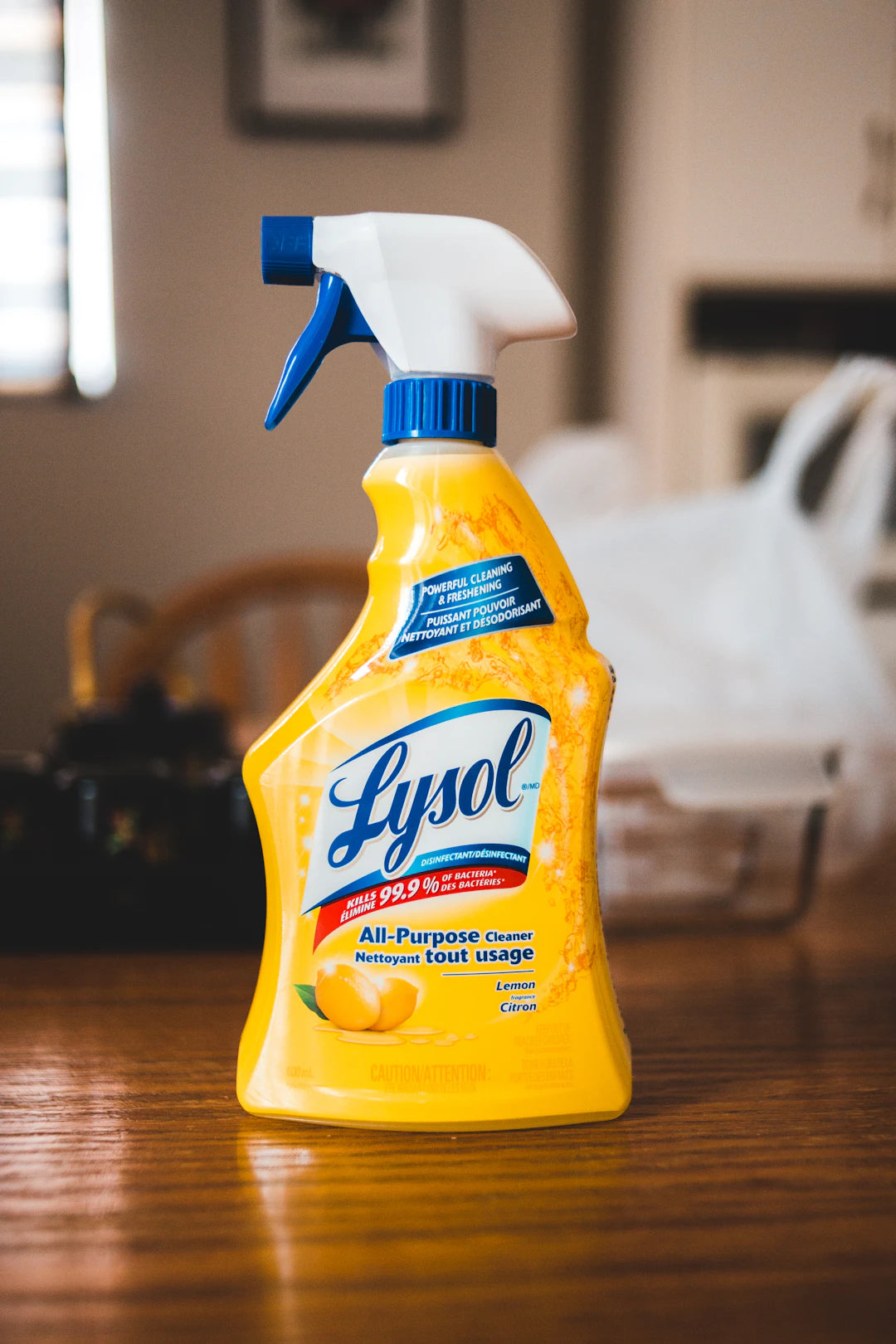
- All-Purpose Cleaners: To sanitize surfaces and eliminate allergens.
Microfiber Cloth Cleaning: A Game-Changer for Allergies
Using microfiber cloth cleaning techniques can significantly enhance your ability to combat allergens effectively. Microfiber cloths are designed to capture dust and dirt particles, making them far superior to traditional cleaning methods. Here are some advantages:
Efficiency in Dusting
Microfiber cloths have tiny fibers that increase surface area, allowing them to trap more dust and allergens. When you use microfiber for dusting or wiping surfaces, it's less likely that particles will become airborne again.
Reducing Chemical Exposure
Many conventional cleaning methods require harsh chemicals that can irritate allergies. Microfiber cleaning often requires only water or a mild cleaner, minimizing exposure to irritants and contributing to a healthier environment.
Reusable and Eco-Friendly
Microfiber cloths are washable and reusable, making them a sustainable choice for cleaning. Investing in several high-quality microfiber cloths means you’ll reduce waste while keeping your home clean.
Effective Cleaning Strategies for Allergy Season
Now that you're equipped with the right tools and knowledge, let's move on to specific cleaning strategies that can help you breathe easier during allergy season.
Regular Vacuuming
Vacuuming is a vital strategy for reducing allergens in the home, especially when using a vacuum with a HEPA filter. Here’s how to incorporate vacuuming into your routine:
- Frequency: Vacuum high-traffic areas at least twice a week and bedrooms once a week.
- Detailing: Don't forget to vacuum under furniture, along baseboards, and in corners where dust tends to accumulate.
- Upholstery: Use your vacuum's upholstery attachment to tackle sofas, chairs, and other furniture where allergens can settle.
Dusting Wisely
When it comes to dusting, the choice of tools matters. Opt for microfiber cloth cleaning for dusting all surfaces, including:
- Flat Surfaces: Tables, shelves, and counters.
- Electronics: Use a dry microfiber cloth to avoid attracting moisture.
- Decorative Items: Picture frames and figurines can trap dust, so give them regular attention.
Overhauling Your Bedding
Dust mites thrive in bedding, making it essential to clean and change regularly. Here’s how to tackle your sleeping areas:
- Wash Bedding: Use hot water (at least 130°F/54°C) weekly to wash sheets, pillowcases, and blankets.
- Encase Mattresses: Invest in allergen-proof covers for pillows and mattresses to minimize dust mite exposure.
- Regularly Clean Stuffed Animals: Machine wash stuffed toys if possible, or freeze them overnight to kill dust mites.
Mold Prevention in Bathrooms
Bathrooms can be a breeding ground for mold, especially during humid times. Here are some steps you can take:
- Ventilation: Always use exhaust fans during and after bathing to reduce humidity.
- Regular Cleaning: Use a mixture of vinegar and water to wipe down tiles, faucets, and shower curtains.
- Dry Towels Promptly: Hang wet towels to dry, and wash them regularly to prevent mold growth.
Air Quality Management
In addition to effective cleaning, maintaining good air quality is crucial, especially during allergy season. Here are essential tips:
Invest in HEPA Filters
Consider using HEPA air purifiers and ensuring that HVAC systems have high-quality filters. These can trap allergens and improve indoor air quality, leading to fewer allergy-related issues.
Humidity Control
Keeping your home at a relative humidity level of 30-50% can deter mold and dust mites. Use humidifiers or dehumidifiers as necessary, particularly in damp areas like basements and bathrooms.
Getting the Family Involved
Cleaning and maintaining a low-allergen environment should be a family effort. Here are some ideas to get everyone engaged:
- Assign Weekly Chores: Provide everyone with specific cleaning tasks that focus on their personal spaces.
- Teach Proper Techniques: Show family members the best practices for microfiber cloth cleaning to ensure efficiency.
- Make it Fun: Turn cleaning into a game or challenge to maintain motivation.
Final Touches for a Fresh Home
After implementing these cleaning techniques, encapsulate your efforts with some final touches. Diffuse essential oils known for their allergen-fighting properties, such as eucalyptus or peppermint, to create a refreshing and calming atmosphere. Keep windows open when the pollen count is low to allow fresh air circulation, and regularly check and change your HVAC filters to maintain optimal air quality.
By prioritizing thorough cleaning with tools like microfiber cloths and integrating healthy air quality practices, you can make a substantial difference in your home’s environment, reducing allergens and enhancing the well-being of you and your loved ones. Stay proactive through years of allergy seasons, enjoy serene moments, and breathe easier!
Frequently Asked Questions
1. What are common allergens during allergy season?
2. How can I effectively clean my home to reduce allergens?
3. Why are microfiber cloths recommended for cleaning during allergy season?
4. What steps can I take to prevent mold growth in my home?
5. How can my family get involved in maintaining a low-allergen environment?
Glossary
| Term | Meaning |
|---|---|
| Allergen | A substance that triggers allergic reactions. |
| Pollen | Fine particles released by plants that can cause allergies. |
| Dust Mites | Microscopic organisms that thrive in household dust. |
| Mold Spores | Reproductive cells from mold that can trigger allergies. |
| Microfiber Cloth | A cleaning cloth made of synthetic fibers that trap dust. |
| HEPA Filter | A high-efficiency filter that captures small particles and allergens. |
| Humidity Control | Managing moisture levels to prevent mold and dust mites. |
| Air Purifier | A device that removes pollutants and allergens from the air. |
| Allergen-Proof Covers | Protective covers that reduce exposure to allergens in bedding. |
| Essential Oils | Natural oils used for their therapeutic properties, including allergy relief. |
Linked Product

Ultimate Home Cleaning Kit
The Ultimate Home Cleaning Kit offers a comprehensive solution for maintaining cleanliness throughout your home, including kitchens, bathrooms, and offices. With a variety of all-in-one cleaning products in convenient sizes and pleasant scents, this kit ensures you have effective cleaning tools at your fingertips wherever you need them. Additionally, the included scented sachets help keep your spaces smelling fresh while you tackle your cleaning tasks.
View Product
Share:
How Often Should You Clean Your Home? The Myths Uncovered!
The Essential Guide to Cleaning and Home Organization