
Overview
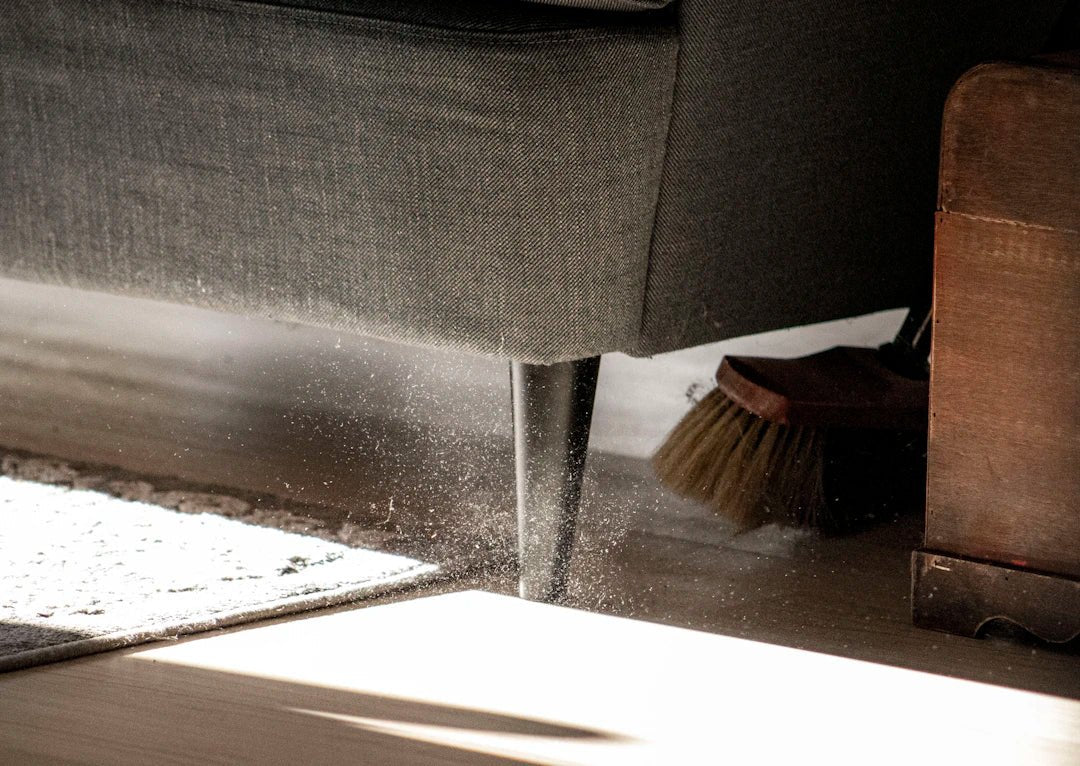
Regular dusting is essential for a clean and healthy home, improving air quality, reducing allergens, and prolonging furniture life. Use the right tools like microfiber cloths and vacuum attachments, and establish a routine to keep dust at bay. Avoid common mistakes such as dusting from bottom to top and neglecting hard-to-reach areas. A dust-free environment boosts mood and provides allergy relief, making dusting an important part of home maintenance.
Frequently Asked Questions
1. Why is dusting essential for my home?
2. What tools should I use for effective dusting?
3. How often should I dust my home?
4. What common mistakes should I avoid when dusting?
5. How can I make dusting a more engaging activity for my family?
Dusting often gets overlooked in our busy lives, yet it plays a crucial role in maintaining a clean and healthy environment. Regular dusting not only improves the appearance of your home but also enhances your well-being. In this guide, we will explore the importance of weekly dusting and share practical tips and tricks that can be applied in every household. Let’s dive into how you can make dusting an integral part of your cleaning routine.
Why Dusting is Essential
Dust accumulates over time from various sources, including skin cells, pet dander, mold spores, and external pollutants. Here’s why routine dusting should be a priority:
- Health Benefits: Dust contains allergens that can trigger asthma and allergies, particularly in sensitive individuals. By dusting regularly, you can significantly decrease these allergens in your indoor environment.
- Improved Indoor Air Quality: A dusty environment can worsen air quality. When you dust regularly, you help ensure that the air you breathe is cleaner and healthier.
- Prolongs Furniture Life: Dust can scratch and damage surfaces over time. Regular dusting keeps your furniture looking new and prolongs its life.
- Enhances Aesthetics: A clean, dust-free space looks more inviting and comfortable. Regular dusting contributes to a tidy home environment.
Mastering the Art of Dusting
Having the right techniques can make your dusting more effective and efficient. Here are some essential tips to master the art of dusting:
Use the Right Tools
Choosing the right tools can make a significant difference in your dusting routine. Here are some must-have tools:
- Microfiber Cloths: These are excellent for trapping dust and dirt without leaving streaks or residue. They are also reusable, making them eco-friendly.
- Feather Dusters: Perfect for delicate items or hard-to-reach areas, feather dusters help to lift dust rather than spreading it around.
- Vacuum Attachments: Use vacuum cleaner attachments to easily suck up dust from floors, upholstery, and other surfaces.
- All-in-One Cleaner: Incorporating an all-in-one cleaner can help to tackle sticky substances while dusting, making your cleaning process smoother.
Dusting Tips for Every Room
Every room has its unique dusting challenges, so let's break it down room by room:
Living Room
Your living room is likely the heart of your home, but it can also be a dust magnet. Regularly dust your electronics, furniture, and decorations. Start from the top and work your way down to avoid having to redo sections.
Kitchen
The kitchen requires special attention due to grease buildup. Dust the surfaces first before tackling grease with your all-in-one cleaner. Don't forget to dust off appliances, including the refrigerator and microwave!
Bedrooms
Bedrooms are where we spend a lot of our downtime, making them essential spaces to keep dust-free. Make sure to dust high surfaces like ceiling fans, shelves, and light fixtures. Pay special attention to places where dust collects, like nightstands and under the bed.
Bathrooms
Bathrooms can harbor mold and mildew if not cleaned regularly. Dust light fixtures and any flat surfaces, aiming to control humidity levels to restrict dust and mold growth.
Follow a Dusting Routine
To stay on top of dust, establishing a routine is helpful. Here are some suggestions to incorporate dusting into your cleaning schedule:
- Daily: Do a quick dusting of frequently used areas, like the coffee table or kitchen counters.
- Weekly: Dedicate time each week for a thorough dusting of every room, using the tips provided above.
- Seasonally: Perform a deep clean at the start of each season, including dusting hard-to-reach areas like ceiling corners and behind large furniture.
Common Dusting Mistakes to Avoid
Even the best of us can make a few mistakes when dusting. Here are some common pitfalls to avoid:
Using the Wrong Cloth
As mentioned, using a microfiber cloth can ensure the dust is trapped instead of just moved around. Avoid using cotton rags, which can scatter dust rather than collect it.
Dusting from Bottom to Top
Always start from the highest point in the room and work your way down. Dust tends to fall, and starting from the top will save you time and ensure an effective clean.
Neglecting Hard-to-Reach Areas
Common spots like ceiling fans, light fixtures, and the tops of cabinets often get ignored. Remember to make these areas a priority; you want your entire home to be a dust-free zone!
Replacing Your Dusting Tools Regularly
It's essential to maintain your tools for an effective dusting routine. Microfiber cloths should be washed frequently, while feather dusters should be shaken out and cleaned when necessary. Check your vacuum attachments for clogs and replace any worn tools. This will ensure you are not just spreading dust around but actually getting rid of it.
Benefits of a Dust-Free Environment
Maintaining a dust-free home can yield significant benefits, impacting both your physical health and emotional well-being.
Boosts Your Mood
A clean home can have a positive effect on your overall mental health. An organized, dust-free environment reduces stress and offers a sense of accomplishment. You can invite friends over without worrying about potential embarrassment!
Allergy Relief
People who suffer from allergies often experience relief when they maintain a regular dusting habit. This is particularly helpful during allergy season when pollen can add to your indoor allergens.
Engagement and Ongoing Maintenance
Engaging with your family in the dusting process can help make cleaning more fun. Rotate responsibilities among family members and make it a bonding activity. The sense of teamwork will foster a cleaner environment and teach everyone the importance of maintaining a dust-free home environment.
Dusting: A Key to Gleaming Homes
To sum up, regular dusting is an indispensable part of home maintenance that contributes significantly to your health, the longevity of your furniture, and the overall beauty of your home. Incorporating these tips and tricks will help make dusting a less daunting task, improving your living space remarkably. Remember that a well-kept home leads to a happier and healthier life, so grab those microfiber cloths and start dusting today!
Linked Product

Ultimate Home Cleaning Kit
The Ultimate Home Cleaning Kit offers a versatile solution for maintaining cleanliness throughout your home and beyond. With all-purpose cleaners, glass cleaners, and specialized cleaning gel, this kit is designed to tackle various surfaces effectively. Additionally, the included scented sachets provide a fresh aroma, enhancing your living spaces.
View Product
Share:
Master Your Space: Living Room Tidiness Tips
Transform Your Home Office: Clean & Organize with Ease