
Overview
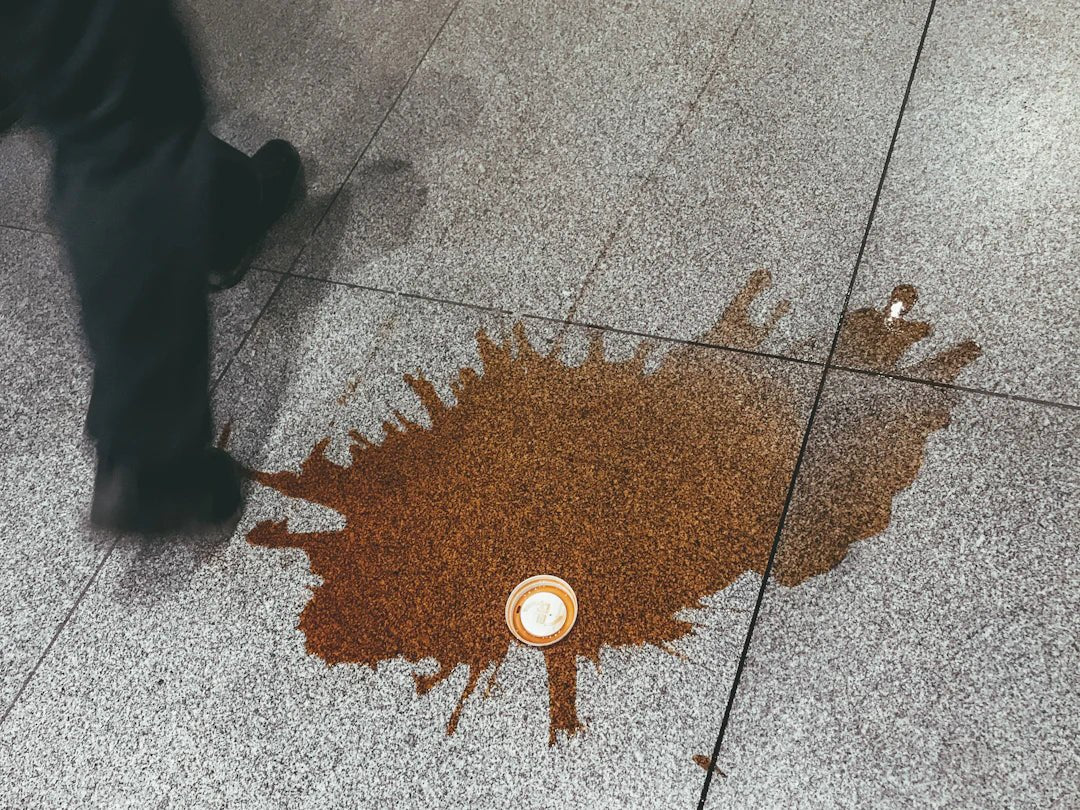
Learn effective strategies for tackling tough stains on fabrics and surfaces, including immediate action, household items, and specialized techniques for different types of stains. Discover microwave-safe cleaning methods and preventative measures to minimize stains. Seek professional help for extensive or persistent issues.
Table of Contents
- Understanding Different Types of Stains
- Essential Strategies for Stain Removal
- Immediate Action is Key
- Utilizing Household Items
- Consider the Fabric or Surface Type
- Specialized Techniques for Different Stains
- Food and Beverage Stains
- Ink and Dye Stains
- Grease Stains
- Microwave Safe Cleaning Tips
- Steam Cleaning Method
- Safe Sponges and Cloths
- Preventative Measures
- When to Seek Professional Help
- Final Thoughts on Stain Troubles
Key Takeaways
- Act Quickly: Immediate action is crucial for effective stain removal; always blot spills to absorb excess liquid.
- Identify Stain Types: Different stains (oil-based, water-based, dyes, protein-based) require tailored cleaning approaches.
- Utilize Household Items: Common items like baking soda, vinegar, and dish soap can be effective for various stains.
- Consider Fabric Care: Always check the care label and use appropriate methods based on the fabric type.
- Microwave Safe Cleaning: Use steam cleaning with water and vinegar to safely clean microwave interiors.
- Prevention is Key: Regular cleaning and using coasters can help minimize the occurrence of tough stains.
- Know When to Seek Help: For extensive damage or persistent stains, consider professional cleaning services.
Tackling tough stains can be a daunting challenge for many, but with the right strategies, you can restore your fabrics and surfaces to their original condition. Stains vary in type and intensity, from food and grease to ink and wine. But fear not! This guide will walk you through effective methods and tips to ensure your cleaning endeavors are successful. Plus, we'll explore some methods that are also microwave safe cleaning options, so you can clean your kitchen essentials without worry.
Understanding Different Types of Stains
Before diving into solutions, it's important to understand the various types of stains you might encounter. Each type requires a unique approach for effective removal. Here are some common categories:
- Oil-Based Stains: These include grease, makeup, and salad dressing. They typically require a solvent to break them down.
- Water-Based Stains: These consist of coffee, tea, and fruit juice. Most of these can be removed with plain water and soap.
- Dyes and Pigments: Ink and red wine fall into this category. They usually need specialized stain removers or vinegar for effective treatment.
- Protein-Based Stains: Blood, sweat, and eggs are examples. They often need cold water treatment to avoid setting the stain.
Essential Strategies for Stain Removal
Immediate Action is Key
The sooner you act, the better your chances of completely removing the stain. If a spill occurs, dab the area with a clean cloth or paper towel to absorb excess liquid. Avoid rubbing, as this can spread the stain and push it deeper into the fabric or surface. After blotting, it's time to identify the type of stain and tackle it accordingly.
Utilizing Household Items
You likely already have several items at home that can be effective for stain removal. Here are some common household cleaners you can consider:
- Baking Soda: This versatile ingredient can be mixed with water to create a paste for scrubbing tougher stains.
- White Vinegar: An excellent natural cleaner, vinegar is effective against odors and stains. Remember, it’s important to test surfaces beforehand.
- Hydrogen Peroxide: This can be particularly effective for removing blood stains and is also a natural disinfectant.
- Dish Soap: A simple mixture of dish soap and water can tackle greasy spots effectively.
Consider the Fabric or Surface Type
Different materials require different techniques for cleaning. For instance, delicate fabrics like silk need gentler methods, while cotton and synthetic fabrics can withstand harsher treatments. Always read and follow the care label provided on the item to avoid damage.
Specialized Techniques for Different Stains
Food and Beverage Stains
Food and beverage stains can often cause panic if not addressed quickly. Follow these general steps:
- Blot the Stain: Immediately blot the spill with a paper towel or soft cloth to absorb as much of the substance as possible.
- Apply Cold Water: Rinse the stained area with cold water for water-based stains. For oil-based stains, apply a small amount of dish soap.
- Soak if Necessary: For stubborn stains, soaking the item in a solution of cold water and mild detergent can help break down the stain.
- Rinse and Repeat: Rinse thoroughly and check if the stain persists before allowing it to dry.
Ink and Dye Stains
Ink stains can be notoriously difficult to remove, but with the right strategy, you can tackle them. Here’s what you can do:
- Use Rubbing Alcohol: Dab a little rubbing alcohol on a cotton ball and treat the stained area. This can help lift the ink.
- Blot Again: Blot the area with a clean cloth; you should see ink transfer onto the cloth.
- Wash Normally: Once the ink is lifted, wash the item as per the care instructions.
Grease Stains
Grease stains often come from cooking oils or butter, and they require a bit more attention. Here’s how to deal with them:
- Sprinkle Baking Soda: Cover the stain with baking soda to absorb the grease. Let it sit for 15 minutes.
- Brush Off Residue: Use a soft brush to gently remove the baking soda, which will now contain some of the grease.
- Apply Dish Soap: Work a little dish soap into the stain with your fingers and then wash normally.
Microwave Safe Cleaning Tips
In addition to removing stains from fabrics and surfaces, you may also face the challenge of cleaning microwave interiors without causing damage. Using microwave safe cleaning methods can simplify this process significantly:
Steam Cleaning Method
A microwave can accumulate food splatter and odors. A great method uses steam for cleaning:
- Fill a Bowl with Water: Add a few slices of lemon or a tablespoon of vinegar for extra cleaning power.
- Heat in the Microwave: Place the bowl in the microwave and heat on high for about 5 minutes.
- Wipe the Interior: Carefully wipe the inside of the microwave with a clean cloth or sponge after the steam has loosened the grime.
Safe Sponges and Cloths
It's crucial to use microwave safe cleaning cloths and sponges so that they don’t release harmful substances when heated. Always check that the materials are labeled as microwave safe, which ensures safety and effectiveness.
Preventative Measures
Prevention is often the best strategy when it comes to stains. Here are some tips to help you minimize the occurrence of stains:
- Use Coasters: Place coasters under drinks to prevent water rings or stains on surfaces.
- Regular Cleaning: Adopt weekly cleaning schedules to keep surfaces and fabrics in good condition, reducing the likelihood of tough stains.
- Fabric Protectors: Consider treating fabrics with a stain repellent that can act as a barrier against spills.
When to Seek Professional Help
Finally, while many stains can be effectively managed at home, some may require professional intervention. Here are a few scenarios where professional cleaning may be the best route:
- Extensive Damage: If the material is significantly damaged beyond cleaning.
- Delicate Fabrics: When dealing with materials like precious silks, they might be best left in the hands of experts.
- Persistent Stains: If attempts to remove stains are unsuccessful after multiple tries, a professional cleaner may have access to more powerful cleaning agents and tools.
Final Thoughts on Stain Troubles
Stains are an inevitable part of life, but they don't have to be a source of stress. By understanding their nature and employing effective strategies, you can tackle even the toughest challenges. Embrace these techniques not just for your clothes but for your entire home. With the right cleaning measures, including methods that are microwave safe cleaning, you can keep your space looking its best without much hassle. Remember, prevention is key, so regularly maintain your items and you’ll be well-equipped to handle whatever life throws your way!
Frequently Asked Questions
1. What types of stains are considered oil-based?
2. How should I treat protein-based stains like blood or sweat?
3. What household items can help in stain removal?
4. What is a simple method for cleaning microwave interiors?
5. When should I consider seeking professional help for stain removal?
Glossary
| Term | Meaning |
|---|---|
| Stain | A mark or discoloration on a surface or fabric. |
| Blot | To gently absorb a spill without rubbing. |
| Oil-Based Stains | Stains from substances like grease and makeup. |
| Water-Based Stains | Stains from liquids like coffee and juice. |
| Protein-Based Stains | Stains from organic materials like blood and eggs. |
| Dish Soap | A cleaning agent effective for greasy stains. |
| Hydrogen Peroxide | A disinfectant effective for removing blood stains. |
| Steam Cleaning | Using steam to loosen grime in appliances. |
| Fabric Protector | A treatment that repels stains on fabrics. |
| Professional Cleaning | Seeking expert help for tough or delicate stains. |
Linked Product

Ultimate Home Cleaning Kit
The Ultimate Home Cleaning Kit provides a comprehensive solution for various cleaning needs throughout your home. This limited edition bundle includes all-in-one cleaners, glass cleaners, and specialized cleaning gel, ensuring you have effective tools for tackling tough stains in any space, from the kitchen to the gym. Additionally, the kit features scented sachets to keep your closets and drawers fresh.
View Product
Share:
Ultimate Guide to Floor Cleaning and Maintenance
Crystal Clear Windows: Top Techniques for Pristine Panes