
Overview
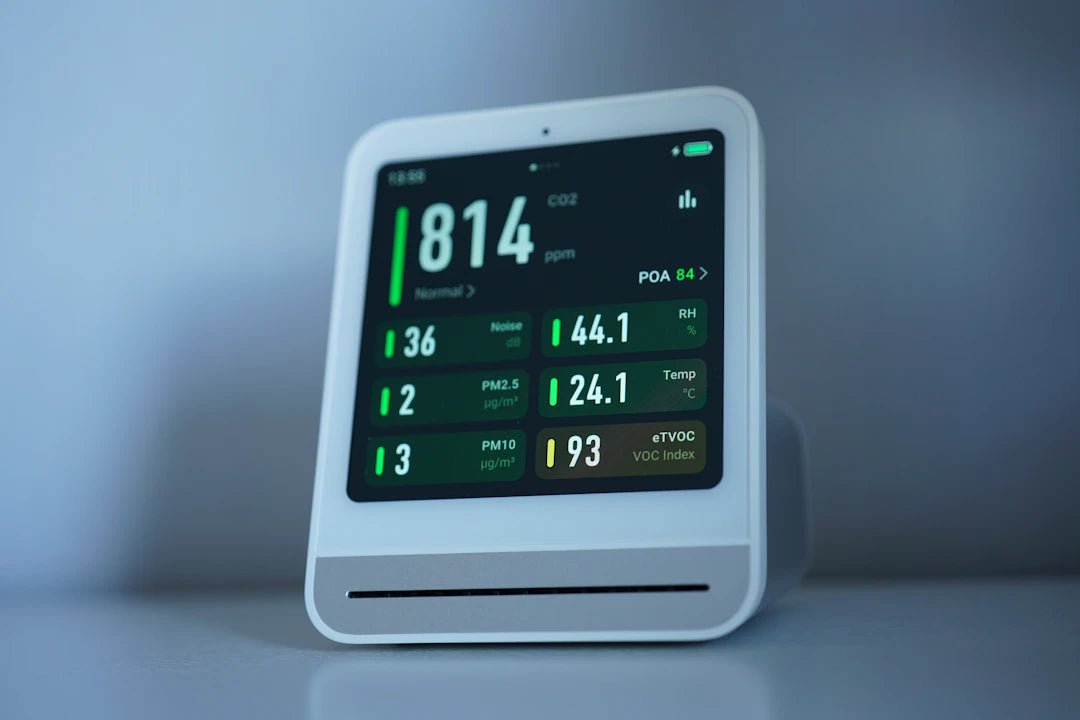
Keeping your home clean is vital for improving air quality and reducing allergens, especially for allergy sufferers. This blog provides effective cleaning strategies, such as regular dusting, vacuuming with HEPA filters, and using air purifiers. It emphasizes the importance of creating an allergens-free environment through routine maintenance and eco-friendly practices. With the right tools and commitment, you can achieve a healthier living space.
Frequently Asked Questions
1. What are common allergens found in homes?
2. How can I improve my indoor air quality?
3. What should I look for when choosing an air purifier?
4. How often should I vacuum if I have allergies?
5. What are some tips for managing mold in the home?
Keeping your home clean is essential not only for aesthetics but also for improving air quality, especially for those who suffer from allergies. With the rise of allergens and pollutants, it’s crucial to adopt effective cleaning strategies. In this guide, we'll discuss proactive measures to enhance your indoor air quality, specifically tailored for allergy sufferers. Prepare to transform your living space into a bastion of freshness with our ultimate home cleaning kit.
Understanding Allergens and Air Quality
Allergens are substances that can cause allergic reactions, and they often reside in every home. Common allergens include dust mites, pet dander, mold spores, and pollen. These microscopic invaders can cause various symptoms such as sneezing, itchy eyes, and even asthma attacks, making it crucial to keep them at bay. This is where an effective cleaning routine paired with your ultimate home cleaning kit comes into play.
The Science of Indoor Air Quality
Many people are surprised to learn that the air inside their homes can be more polluted than the air outside. Poor indoor air quality can come from multiple sources, including household cleaning products, building materials, and even the accumulation of dust. Once you understand where allergens hide, you can tackle them effectively.
Creating an Allergens-Free Home Environment
Your first line of defense in minimizing allergens is to create a dedicated cleaning routine. Here are several effective tips to get you started:
- Regular Dusting: Use a damp cloth or microfiber duster to trap dust instead of spreading it around.
- Vacuuming: Invest in a high-efficiency particulate air (HEPA) filter vacuum cleaner. Vacuum upholstery, carpets, and corners to capture allergens.
- Wash Bedding Frequently: Make it a habit to wash your bed linens and pillowcases in hot water weekly to eliminate dust mites and allergens.
- Declutter: Minimize items that attract dust and allergens. Fewer items mean fewer places for allergens to hide.
The Role of Air Purifiers in Your Cleaning Kit
One effective tool in your ultimate home cleaning kit is an air purifier. Air purifiers help filter out allergens and particulates from the air. Here’s how to choose the right one:
Choosing the Right Air Purifier
When selecting an air purifier, consider the following factors:
- Filtration Type: Opt for units with HEPA filters, as they can capture up to 99.97% of particles.
- Room Size: Ensure the purifier is suitable for the size of the room in which it will be used.
- Noise Level: Choose one that operates quietly, especially for bedrooms or study areas.
Dusting and Vacuuming Techniques
To effectively reduce allergens, utilize proper dusting and vacuuming techniques. Here are some best practices:
Advanced Dusting Techniques
For effective dust removal, consider these advanced techniques:
- Top-to-Bottom Approach: Always start dusting from the highest surfaces down to the lowest. This ensures any dust that falls is caught in your later cleaning.
- Use Microfiber Cloths: Microfiber attracts and holds onto dust, making them more effective than traditional cloths.
- Don’t Forget Hard-to-Reach Areas: Frequently neglected areas, such as ceiling fans and behind furniture, can harbor significant dust.
Vacuuming Tips for Allergy Sufferers
Vacuuming is key in any cleaning regimen, especially for allergy sufferers. Here’s how to maximize its effectiveness:
- Frequent Vacuuming: Aim to vacuum at least once a week, or more often if you have pets.
- Use Vacuum Attachments: Utilize crevice tools and upholstery attachments to reach nooks and crannies.
- Change Filters Regularly: Clean or replace the vacuum filter as recommended to maintain its efficiency.
Mold Management in Your Home
Mold is another notorious allergen that thrives in damp areas of your home. Managing moisture is essential in keeping mold at bay. Here’s how:
Controlling Humidity Levels
To effectively manage mold growth:
- Use Dehumidifiers: Keeping humidity levels between 30% and 50% reduces mold's ability to thrive.
- Fix Leaks: Repair any leaks in plumbing or roofing that can contribute to excess moisture.
- Increase Ventilation: Use exhaust fans in bathrooms and kitchens to help reduce humidity.
Importance of Air Quality Maintenance
Once you’ve cleaned your home and created an allergy-friendly environment, ongoing maintenance is essential for long-term relief. Including a routine check-in to make sure your ultimate home cleaning kit is complete will help in keeping allergens at bay.
Routine Maintenance Tips
- Schedule Regular Cleaning Days: Keeping a consistent cleaning schedule makes it easier to maintain a low-allergen environment.
- Inspect and Clean HVAC Systems: Dust and allergens can accumulate in air ducts, but regular inspections ensure they're clean and functioning effectively.
- Use Allergen-Reducing Products: Whenever possible, use products and tools that are specifically designed to reduce allergens in the home.
Creating a Pet-Friendly Cleaning Environment
If you share your home with furry friends, take specific precautions to keep allergens in check.
Tips for Pet Owners
- Groom Regularly: Brush your pets outside regularly to minimize shedding and dander indoors.
- Designate Pet Areas: Using specific areas in your home for pets can help control where allergens spread.
- Wash Pet Bedding: Frequently clean pet beds and toys to minimize dander and dirt throughout your home.
Mastering the Art of Deep Cleaning
Every now and then, it’s essential to undertake a thorough deep cleaning of your home. This process ensures that nothing is overlooked and all allergens are effectively removed.
Deep Cleaning Checklist
Use this checklist as a guide for a successful deep-cleaning session:
- Curtains and Blinds: Take down and wash or vacuum them.
- Baseboards and Molding: Dust or wipe these surfaces to remove accumulated dust.
- Furniture: Move furniture and clean beneath and around it.
- Appliances: Clean behind and beneath large appliances.
Making the Ultimate Clean Routine Sustainable
Incorporating an effective cleaning routine that minimizes allergens isn't a one-time effort; it requires commitment and consistency. By utilizing the tips and employing the strategies outlined in this guide, you create a healthier environment for yourself and your loved ones.
Incorporating Eco-Friendly Practices
In aiming for better air quality, consider cutting down on harmful chemicals in your cleaning routine:
- Naturally Derived Cleaning Solutions: Opt for homemade or eco-friendly products that are gentle on your home and the planet.
- Reusable Cleaning Supplies: Instead of paper towels, use reusable cloths or mops to reduce waste.
- Reduce Chemical Use: Select biodegradable products designed to be safe for the indoor air quality.
Your Journey to Allergens-Free Living
Cleaning for allergies can seem like a daunting task, but with the right knowledge and tools, it can become a manageable part of your lifestyle. The ultimate home cleaning kit and the strategies outlined in this blog will empower you to create a cleaner, healthier living environment. Breathe deeply, knowing you’ve taken the important steps toward clean air and reduced allergens.
Linked Product

Ultimate Home Cleaning Kit
The Ultimate Home Cleaning Kit provides comprehensive cleaning solutions for various areas of your home, making it easy to maintain a tidy environment. With a range of all-purpose and glass cleaners, as well as scented sachets, this kit helps improve air quality by eliminating dust and allergens. Its compact travel options also ensure you can keep your spaces clean while on the go.
View Product
Share:
Mastering Tough Stains: Your Ultimate Cleaning Guide
Unlocking the Secrets of Effective Cleaning Methods