Overview
Cleaning effectively requires understanding the science behind it, including the types of contaminants (dirt, grease, germs) and the principles of cleaning (mechanical action, time, temperature, chemical action). Choose the right cleaning methods (wet vs. dry) and products based on their ingredients and pH levels. Establish a consistent cleaning routine, prioritize high-traffic areas, and consider eco-friendly options. Stay informed about trends and seek professional advice to enhance your cleaning efforts.
Frequently Asked Questions
1. What are the key principles of cleaning?
2. What types of contaminants are commonly found in the environment?
3. How does chemistry influence cleaning effectiveness?
4. What are some common misconceptions about cleaning?
5. Why is it important to consider the environmental impact of cleaning products?
Cleaning is an essential part of maintaining a healthy environment, and understanding the science behind it can elevate your cleaning routine. With numerous products on the market, including multi-purpose cleaning products, you may wonder which strategies are most effective. In this blog post, we'll explore the key principles of cleaning, debunk some common myths, and arm you with knowledge that will optimize your cleaning efforts.
The Basics of Cleaning
Cleaning might seem straightforward, but there's a science to it. To effectively eliminate dirt, grime, and germs, it's important to understand how different methods and materials interact with contaminants. The key principles of cleaning can be categorized into the following areas:
Understanding Contaminants
Contaminants in our environment generally fall into three categories: dirt, grease, and germs. Recognizing the type of contaminant you're dealing with is critical for selecting the right cleaning method.
- Dirt: Typically comprised of dust, soil, and other visible particles.
- Grease: Often found in kitchens and is caused by cooking oils and fats.
- Germs: Includes bacteria and viruses that can cause illness.
How Cleaning Works
Now that we understand what we're cleaning, let's dive into how cleaning works. The effectiveness of a cleaning process hinges on several factors:
- Mechanical Action: Scrubbing or friction is often needed to remove dirt.
- Time: Allowing a cleaner to sit can improve its effectiveness.
- Temperature: Warm water often improves cleaning power.
- Chemical Action: Certain chemicals can dissolve or suspend dirt and grime.
The Role of Chemistry in Cleaning
Chemistry plays a pivotal role in cleaning effectiveness. Many cleaning solutions break down dirt and grease through chemical reactions. Here are a few important concepts:
Surfactants
Surfactants are compounds that lower the surface tension of liquids, allowing water to spread and penetrate surfaces more effectively. They attach to both water and greasy particles, which helps lift away dirt. This is a critical element in many multi-purpose cleaning products.
pH Levels
The pH level of a cleaner influences its effectiveness. Acidic cleaners (low pH) can dissolve mineral deposits, while alkaline cleaners (high pH) are excellent for breaking down organic material like grease. The choice of pH level should match the contaminants you need to tackle.
Types of Cleaning Methods
Choosing the right cleaning method is essential for maximizing the effectiveness of your cleaning routine. Here are some popular methods used today:
Wet versus Dry Cleaning
Wet cleaning involves moisture and often the use of water-based solutions. Common methods include:
- Wiping: Using cloths or paper towels with a cleaner.
- Soaking: Allowing items to soak in a cleaning solution.
- Steam Cleaning: Utilizes high-temperature steam to dislodge dirt.
Dry cleaning, on the other hand, refers to removing dirt without moisture. This can include:
- Vacuuming: Ideal for carpets and surfaces.
- Dusting: Using dust cloths to remove surface dust.
Professional versus DIY Cleaning
Some may wonder whether to hire a professional cleaning service or tackle it themselves with multi-purpose cleaning products. While professional services can be significantly more thorough and efficient, many DIY methods can yield excellent results with a little effort and the right techniques.
Common Misconceptions about Cleaning
With so much information available, it's easy to fall for common myths regarding cleaning. Let’s set the record straight on some prevalent misconceptions:
Myth: More Cleaner Equals Better Results
Using more cleaner does not necessarily enhance the cleaning process. Oftentimes, too much product can lead to residue that attracts more dirt. Following the recommended amounts is always advisable.
Myth: All Surfaces Can Be Cleaned the Same Way
Different materials require different cleaning approaches. Using an abrasive cleaner on delicate surfaces can lead to scratches. Always check labels and follow guidelines for the best cleaning practices.
Understanding the Ingredients in Cleaning Products
To maximize the effectiveness of your cleaning routine, it’s crucial to understand the ingredients in various cleaning products. Here are some common components you might encounter:
- Alcohol: Effective at killing germs and evaporates quickly.
- Acids: Often deal with rust and mineral buildup.
- Solvents: Help dissolve oils and greases.
- Enzymes: Break down organic matter, making them ideal for tricky stains.
Creating an Efficient Cleaning Routine
Establishing a consistent cleaning routine can save time and enhance results. Here are some tips to create an efficient cleaning schedule:
Break it Down by Areas
Instead of trying to clean everything in one day, break it down into manageable areas. Focus on one room or section at a time. This will prevent overwhelm and ensure thoroughness. Consider a weekly, bi-weekly, or monthly cleaning schedule.
Gather Your Cleaning Supplies
Having all necessary supplies on hand makes the cleaning process much more efficient. Some essentials to consider include:
- Mop and broom: For floors.
- Microfiber cloths: To trap dirt and dust.
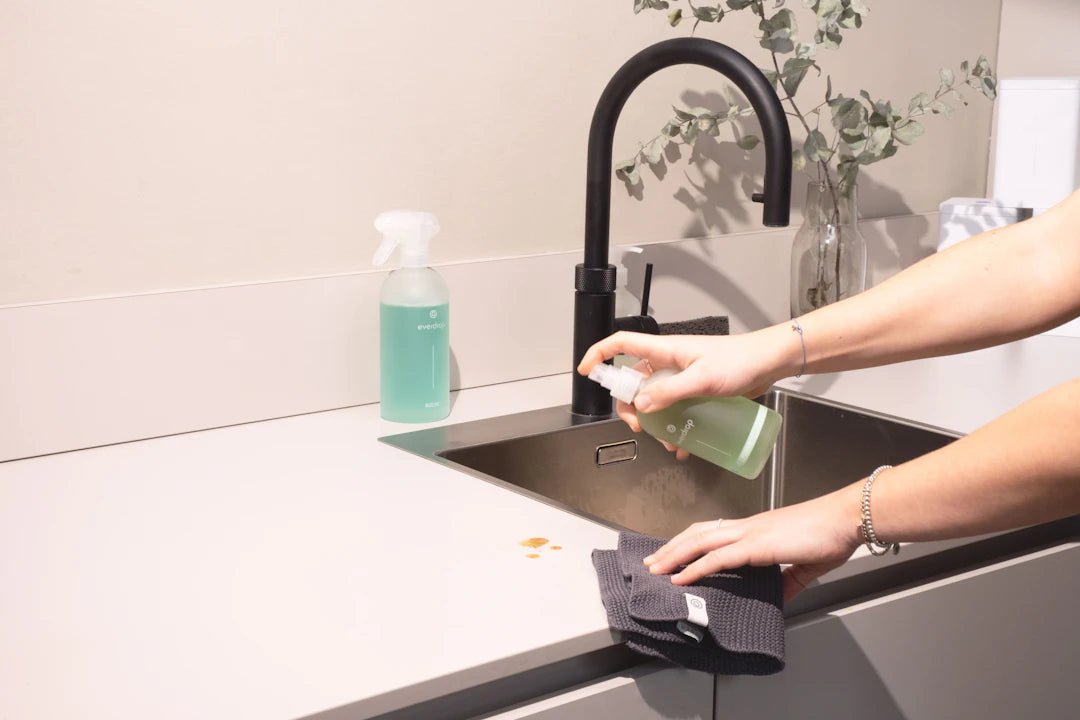
- Spray bottles: For easy application of multi-purpose cleaning products.
- Trash bags: To keep clutter at bay.
Prioritize High-Traffic Areas
Focus your initial efforts on the spaces that receive the most foot traffic and exposure. By targeting these areas first, you will instantly improve the cleanliness of your living environment.
Environmental Impact of Cleaning Products
While maintaining cleanliness is important, it is equally crucial to consider the environmental impact of the cleaning methods we use. Here are some importances of being eco-conscious:
Choosing Eco-Friendly Cleaning Products
Many traditional cleaning products contain harsh chemicals that can be harmful to both the environment and your health. Opting for eco-friendly products ensures that your cleaning efforts do not come at the expense of the planet.
Using DIY Options
Creating your own cleaning solutions using simple ingredients like vinegar, baking soda, and essential oils not only saves money but also mitigates environmental harm. Many DIY solutions can effectively replace commercial multi-purpose cleaning products.
Elevating Your Cleaning Game
To truly elevate your cleaning efforts, it’s essential to stay informed and continuously learn about new techniques and products. Here are a few ways to enhance your cleaning game:
Stay Updated on Trends
Cleaning trends evolve, and new methods or products are continually being introduced. Stay informed through blogs, forums, and social media to keep your cleaning routine fresh and effective.
Seek Professional Advice
Don’t hesitate to consult professionals if you are looking for specialized techniques or product recommendations. This can enhance your work in areas where you might feel stuck or unsure.
Taking it to the Next Level
With the right knowledge and resources, you can achieve a pristine living space that not only looks good but also promotes a healthy environment. Whether you're using multi-purpose cleaning products or exploring DIY solutions, the key lies in understanding the science behind cleaning and applying it effectively. You are now equipped with the insight and strategies needed to transform your cleaning routine! Happy cleaning!
Linked Product

Ultimate Home Cleaning Kit
The Ultimate Home Cleaning Kit provides a comprehensive solution for maintaining cleanliness throughout various spaces in your home and on the go. With a range of all-purpose cleaners, glass cleaners, and specialized gels, it is designed to tackle different surfaces while leaving behind pleasant scents. This kit is ideal for those looking to streamline their cleaning routine with effective, ready-to-use products.
View Product
Share:
Cleaning for Allergies: Tips for Better Air Quality
Keeping Your Home Sparkling Clean with Pets