
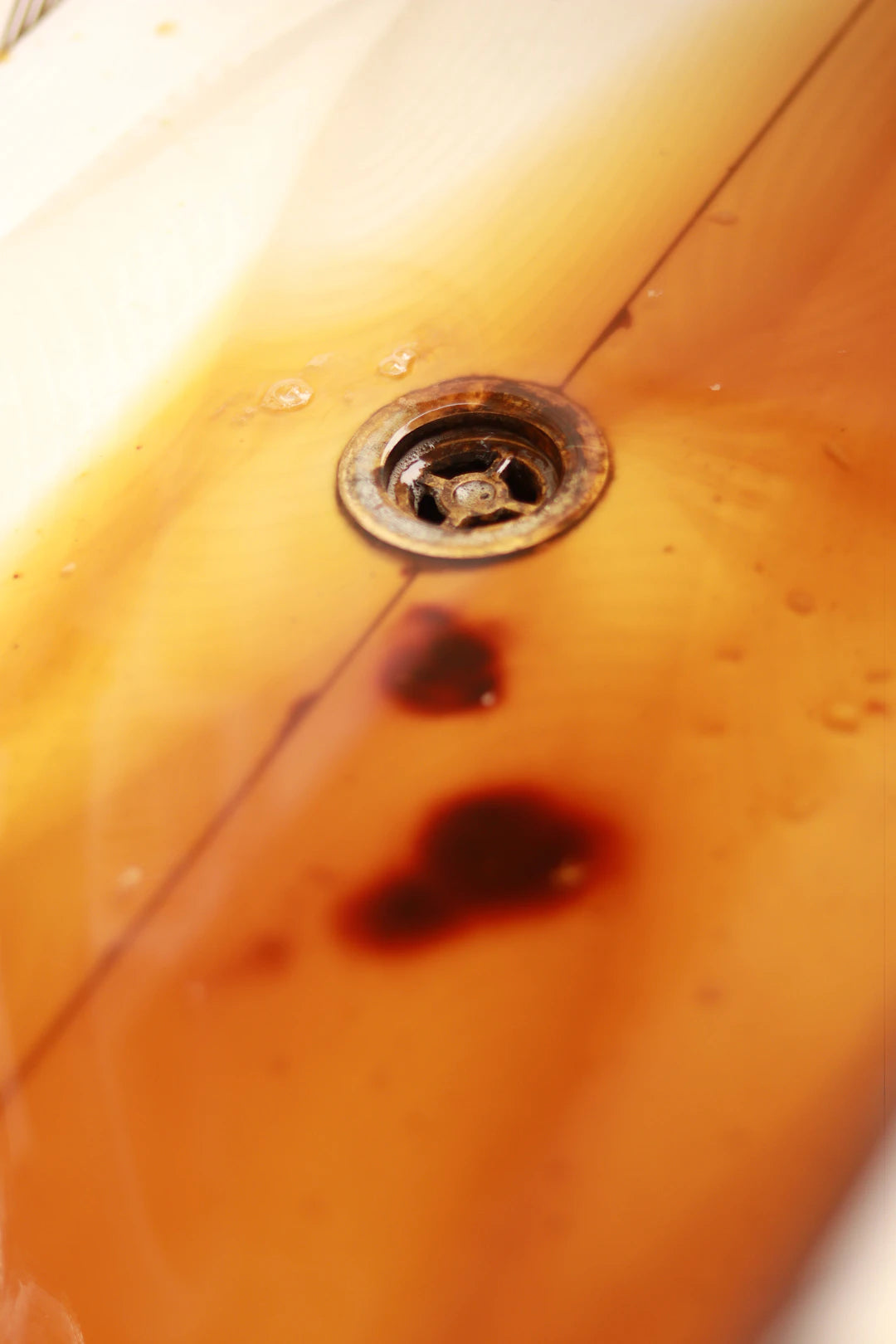
Overview
Learn effective stain removal strategies for different types of stains using a well-stocked home cleaning kit. Identify stain types, utilize essential tools, and follow specific techniques for common stains like coffee, grease, blood, and ink. Prevent stains by acting quickly and maintaining a regular cleaning schedule. Eco-friendly options are available for those concerned about chemicals. Keep your living space spotless with proactive cleaning habits and specialized tools.
Table of Contents
- Understanding Stains: The First Step to Effective Removal
- Essential Tools in Your Home Cleaning Kit
- Common Stains and How to Remove Them
- Coffee Stains
- Grease Smudges
- Blood Stains
- Ink Stains
- General Tips for Stain Removal
- Preventing Stains: Keeping Your Home Clean
- The Importance of Regular Cleaning
- Eco-Friendly Stain Removal Techniques
- Expand Your Stain Removal Arsenal
- Your Go-To Guide for Keeping Everything Spotless
Key Takeaways
- Understand Stain Types: Identify stains as oil-based, water-based, protein-based, or dye-based to select the right cleaning method.
- Essential Tools: Equip your home cleaning kit with stain remover, dish soap, baking soda, white vinegar, hydrogen peroxide, microfiber cloths, and brushes.
- Act Quickly: Prompt treatment increases the chances of successfully removing stains.
- Blot, Don’t Rub: Blotting is more effective than rubbing, which can spread the stain and damage fabrics.
- Eco-Friendly Options: Use natural alternatives like lemon juice, baking soda paste, and essential oils for safe stain removal.
- Preventative Measures: Use coasters, clean spills immediately, and apply fabric protectors to minimize staining risks.
- Expand Your Arsenal: Consider adding specialized stain removers and spot cleaner machines for effective stain management.
Stains can be one of the most challenging aspects of maintaining a clean home. Whether it’s coffee on a shirt, grease on your favorite pants, or even pet messes on the carpet, tackling tough stains requires the right approach and tools. In this guide, we’ll share expert tips to help you handle these pesky problems head-on, transforming your cleaning routine. You’ll learn how to utilize a home cleaning kit to efficiently tackle tough stains and keep your home looking pristine.
Understanding Stains: The First Step to Effective Removal
Before diving into stain removal techniques, it’s crucial to understand the types of stains you’re dealing with. Stains are categorized based on their origin:
- Oil-Based Stains: These include grease, makeup, and cooking oil.
- Water-Based Stains: Think of fruit juices, sodas, and coffee.
- Protein-Based Stains: Such as blood, sweat, and food residues.
- Dye-Based Stains: These include ink and certain fruits or vegetables.
Identifying the type of stain helps you decide which products from your home cleaning kit or techniques will work most effectively.
Essential Tools in Your Home Cleaning Kit
A well-stocked home cleaning kit is your best ally when facing tough stains. Here are essentials that should be included:
- Stain Remover: A dedicated stain remover is key for quick treatment.
- Dish Soap: Ideal for breaking down grease and oil stains.
- Baking Soda: An eco-friendly solution that absorbs odors and lifts stains.
- White Vinegar: Excellent for neutralizing odors and combating various stains.
- Hydrogen Peroxide: Works wonders on organic stains like blood.
- Microfiber Cloths: Gentle on surfaces but effective in lifting stains.
- Brushes & Sponges: Different textures can help scrub away stubborn deposits.
Common Stains and How to Remove Them
Coffee Stains
Coffee spills can create unsightly brown marks on fabrics and carpets. To remove coffee stains, act quickly:
- Blot the stain immediately using a clean cloth to absorb excess liquid.
- Mix one tablespoon of dish soap with two cups of warm water.
- Using a microfiber cloth, dab the solution on the stain, starting from the edges moving inward.
- Rinse with cold water and blot until the stain lifts.
Grease Smudges
Grease stains can be daunting, especially on clothes. However, they can be successfully treated by following these steps:
- Sprinkle baking soda on the grease stain and let it sit for 10–15 minutes to absorb the oil.
- Shake off the baking soda and apply dish soap directly on the stain.
- Gently scrub with a toothbrush or sponge before rinsing with warm water.
Blood Stains
Blood stains require immediate attention. Here's how to treat them:
- Use cold water to rinse the stain gently; never use hot water as it can set the stain.
- Create a solution of one-part hydrogen peroxide to two parts water.
- Apply this to the stain and let it sit for a few minutes before blotting with a clean cloth.
Ink Stains
Ink stains can be alarming but don't panic. Here’s a method to tackle them:
- Place paper towels underneath the stained area to absorb excess ink.
- Apply rubbing alcohol or hand sanitizer directly on the ink stain.
- Blot gently with a cloth until the ink lifts, then rinse with cold water.
General Tips for Stain Removal
While knowing the specific techniques for different stains is helpful, here are some general stain removal tips to keep in mind:
- Act Quickly: The sooner you treat a stain, the more likely it is to come out.
- Test Before Applying: Always test your cleaning solutions on a hidden area to avoid damage.
- Don’t Rub, Blot: Rubbing can spread the stain and damage fabrics. Blot gently instead.
- Consult Care Labels: Always check garment care labels for special cleaning instructions.
Preventing Stains: Keeping Your Home Clean
Prevention is always better than cure. Here are strategies to help keep your surfaces stain-free:
- Use Coasters: Protect your furniture from drink spills by using coasters.
- Clean Up ASAP: The longer a stain sits, the harder it is to remove.
- Protect Fabrics: Use fabric protectors on upholstery to reduce staining risks.
- Educate Family Members: Teach everyone in your home how to treat common stains.
The Importance of Regular Cleaning
Regular cleaning is essential in preventing the buildup of tough stains. Incorporating a cleaning schedule that includes vacuuming, dusting, and spot cleaning can help maintain your home’s cleanliness. A home cleaning kit should always be ready for immediate use, making it easy to treat incidents before they become permanent.
Eco-Friendly Stain Removal Techniques
If you’re concerned about toxic chemicals in conventional cleaning products, several eco-friendly options are available. Here are some alternatives:
- Lemon Juice: Acts as a natural bleach and deodorizer, perfect for lightening stains.
- Baking Soda Paste: Works as a gentle abrasive to scrub away stubborn stains.
- Essential Oils: Some essential oils have stain-lifting properties and add a pleasant scent.
Using these eco-friendly options from your home cleaning kit not only helps with stain removal but also protects the environment.
Expand Your Stain Removal Arsenal
If you find yourself frequently dealing with tough stains, consider expanding your home cleaning kit with specialized tools. Here are a few ideas:
- Stain-Specific Products: Consider adding professional grade stain removers for common blemishes.
- Pro-Grade Brushes: Look for brushes designed for fabric to safely scrub away tougher stains.
- Spot Cleaner Machine: For carpets and upholstery, a spot cleaner can be invaluable for tough messes.
Investing in these tools can drastically improve your effectiveness in tackling tough stains, while keeping your home clean and inviting.
Your Go-To Guide for Keeping Everything Spotless
With the right techniques and a well-equipped home cleaning kit, tackling tough stains becomes a much more manageable task. Remember to identify the type of stain you’re dealing with, utilize the correct removal techniques, and take a proactive approach to cleaning. Your living space will not only look better, but it will also feel more comfortable for you and your guests.
No one has to live with pesky stains when simple and effective solutions are at your fingertips. Embrace these proven strategies, keep your home cleaning kit stocked, and enjoy a spotless home!
Frequently Asked Questions
1. What are the different types of stains mentioned in the blog?
2. What essential tools should be included in a home cleaning kit for stain removal?
3. How can I effectively remove coffee stains from fabric?
4. What general tips can help with stain removal?
5. What eco-friendly alternatives for stain removal are suggested in the blog?
Glossary
| Term | Meaning |
|---|---|
| Stain | A mark or discoloration on a surface caused by a substance. |
| Oil-Based Stains | Stains from substances like grease, makeup, and cooking oil. |
| Water-Based Stains | Stains from liquids such as fruit juices, sodas, and coffee. |
| Protein-Based Stains | Stains from organic materials like blood and food residues. |
| Dye-Based Stains | Stains from inks and certain fruits or vegetables. |
| Stain Remover | A product specifically designed to eliminate stains. |
| Baking Soda | An eco-friendly powder used to absorb odors and lift stains. |
| Hydrogen Peroxide | A chemical used to treat organic stains like blood. |
| Microfiber Cloths | Soft cloths effective in lifting stains without scratching. |
| Eco-Friendly Options | Natural alternatives for cleaning that avoid toxic chemicals. |
Linked Product

Ultimate Home Cleaning Kit
The Ultimate Home Cleaning Kit provides a comprehensive solution for tackling tough stains throughout your home and vehicle. This bundle includes a variety of all-purpose and glass cleaners, along with travel-sized options for convenience on the go. Additionally, scented sachets and specialized cleaning gel enhance your cleaning routine, ensuring a fresh and spotless environment in any space.
View Product
Share:
Essential Cleaning Tips Every Pet Owner Needs
The Perks of Hiring Professional Cleaning Services