
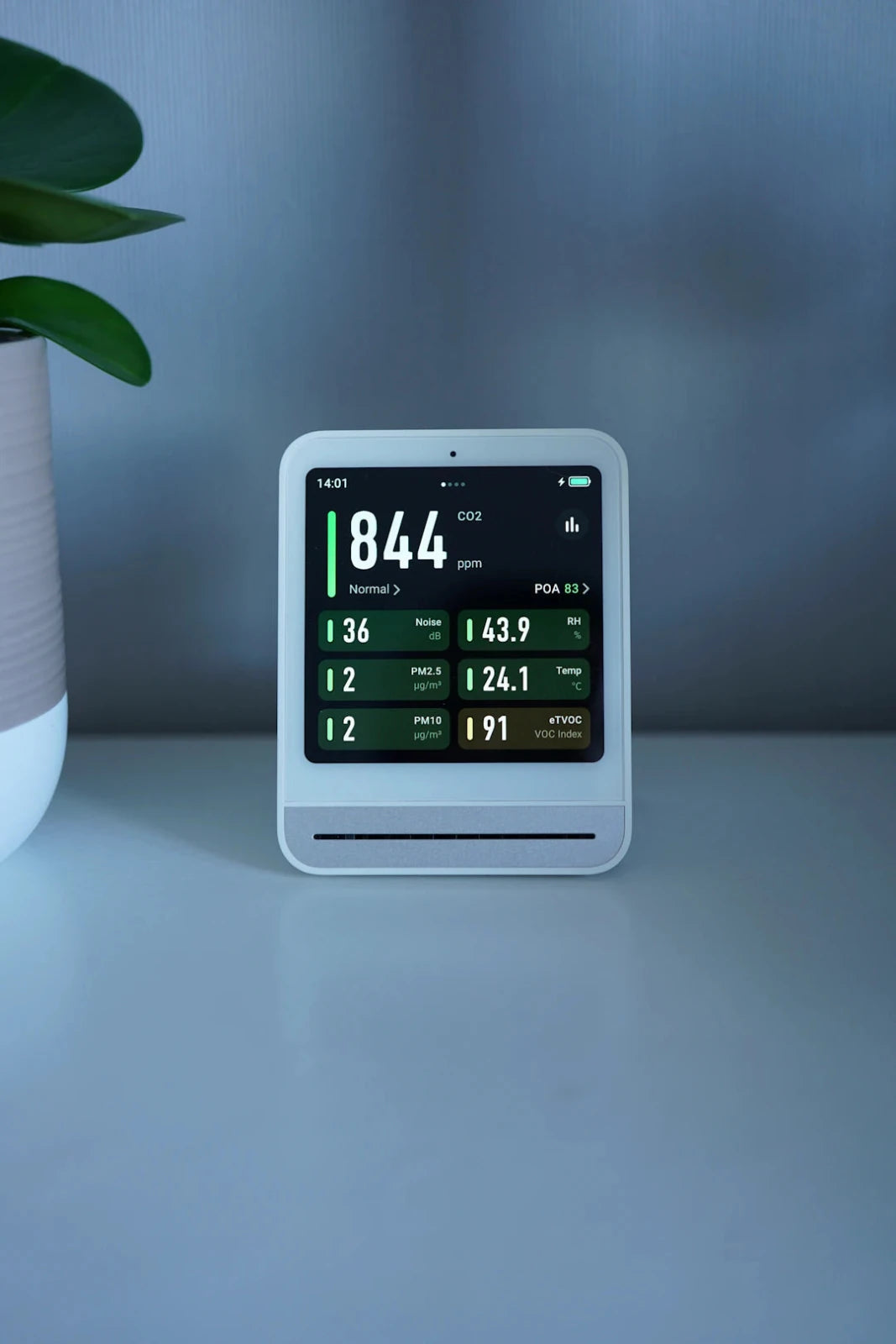
Overview
Air quality is a crucial but often overlooked aspect of home cleaning that significantly impacts health. To improve indoor air quality, incorporate strategies such as regular dusting, using an ultimate cleaning kit, investing in air purifiers, managing humidity levels, opting for natural cleaning solutions, ensuring ventilation, and maintaining a consistent cleaning routine. Prioritizing air quality can lead to a healthier, more comfortable living environment.
Table of Contents
- Understanding Air Quality and Its Impacts
- Common Indoor Air Pollutants
- Why Cleaning Alone Isn’t Enough
- Effective Strategies for Improving Air Quality
- Regular Dusting
- Using an Ultimate Cleaning Kit
- Air Purifiers
- Managing Humidity Levels
- Natural Cleaning Solutions for Healthy Air
- Regular Ventilation
- Seasonal Cleaning for Improved Air Quality
- Understanding Your Indoor Plants
- Keeping Your Cleaning Routine Consistent
- Putting It All Together
Key Takeaways
- Air Quality Matters: Indoor air can be up to five times more polluted than outdoor air, affecting health and well-being.
- Common Pollutants: Dust, pet dander, mold, VOCs, and smoke are key contributors to poor indoor air quality.
- Ultimate Cleaning Kit: Using high-quality cleaning tools helps effectively tackle hidden pollutants without redistributing them into the air.
- Air Purifiers: Investing in air purifiers with HEPA filters can significantly improve indoor air quality by capturing allergens and pollutants.
- Humidity Control: Maintaining humidity levels between 30% and 50% can prevent mold growth and alleviate respiratory issues.
- Natural Solutions: Opt for natural cleaning products like vinegar and baking soda to enhance cleanliness and air quality without harmful chemicals.
- Consistent Routine: Establishing a regular cleaning schedule ensures ongoing maintenance of air quality and overall home hygiene.
We've all heard that cleanliness is next to godliness. Yet, many of us overlook a crucial factor in maintaining a clean home—air quality. As we bustle about tidying up our living spaces, often the focus remains on visible dirt and grime. However, the air we breathe can significantly impact our health and well-being, making it essential to incorporate air quality management into our home cleaning routines. In this article, we will delve into the role of air quality in home cleaning, explore ways to improve it, and discuss how an ultimate cleaning kit can make a difference.
Understanding Air Quality and Its Impacts
Air quality refers to the cleanliness of the air in our homes. It is affected by various pollutants, including dust, mold, pet dander, smoke, and other airborne particles. Poor air quality can lead to a host of health issues, such as allergies, respiratory problems, and long-term diseases. The American Lung Association has noted that indoor air can be up to five times more polluted than outdoor air, highlighting the significance of addressing air quality in our cleaning routines.
In order to grasp the relationship between air quality and home cleaning, it’s crucial to recognize how everyday cleaning tasks can either improve or degrade the quality of the air we breathe. For instance, dusting surfaces without proper techniques can stir up particles into the air, making it more polluted than before.
Common Indoor Air Pollutants
To better understand how to combat these pollutants, let’s take a closer look at some common indoor air contaminants:
- Dust: Accumulates on surfaces and can trigger allergic reactions.
- Pet Dander: A common allergen that affects pet owners and those nearby.
- Mold: Grows in damp areas and can release spores into the air.
- Volatile Organic Compounds (VOCs): Chemicals found in cleaning agents, paints, and furniture that can evaporate and pollute indoor air.
- Smoke: From cooking or burning materials, this can significantly degrade indoor air quality.
Why Cleaning Alone Isn’t Enough
Keeping your home clean is undoubtedly important, but simply sweeping floors or wiping down countertops isn’t enough to ensure good air quality. Air pollutants can remain settled in carpets, upholstery, and other materials, gradually contributing to poor indoor air. This is where an ultimate cleaning kit comes into play. It makes tackling these hidden pollutants more manageable.
Effective Strategies for Improving Air Quality
Improving your home's air quality requires a multifaceted approach. Here are some effective strategies to incorporate into your cleaning routine:
Regular Dusting
Dusting with a microfiber cloth can greatly reduce airborne dust particles. Regularly dusting not only cleans surfaces but also minimizes the amount of dust that can circulate in the air. Don’t forget to tackle hard-to-reach areas, as these spots often harbor significant dust build-up.
Using an Ultimate Cleaning Kit
Equipping yourself with the ultimate cleaning kit can make cleaning more effective. High-quality cleaning tools can assist you in efficiently tackling dirt and allergens without redistributing them into the air. Look for tools that protect your home and promote better air quality.
Air Purifiers
Investing in an air purifier is an excellent way to keep your indoor air clean. Many air purifiers are equipped with HEPA filters designed to capture ultrafine pollution, including dust, pollen, and other allergens. By running an air purifier while you clean, you can maintain an overall healthy atmosphere.
Managing Humidity Levels
Humidity can significantly affect air quality. High levels of moisture contribute to mold growth, while low humidity can lead to dry skin and respiratory issues. Keeping humidity levels between 30% and 50% can alleviate many potential challenges. Consider using dehumidifiers in damp areas, like basements and laundry rooms.
Natural Cleaning Solutions for Healthy Air
When considering an ultimate cleaning kit, it’s worth noting that many commercial cleaning products can emit harmful volatile organic compounds (VOCs) that can lower air quality. Opting for natural cleaning solutions can dramatically enhance both cleanliness and air quality. Here are some effective natural options:
- Vinegar: A natural disinfectant that can clean a multitude of surfaces.
- Baking Soda: Great for deodorizing carpets and upholstery.
- Essential Oils: Can provide antimicrobial properties while adding pleasant fragrances without harmful chemicals.
Regular Ventilation
Opening windows and ensuring proper ventilation can help reduce indoor air pollutants. Fresh air circulation dilutes concentrations of indoor contaminants and enhances air quality. Even a few minutes a day of open windows can make a big difference!
Seasonal Cleaning for Improved Air Quality
Following a seasonal cleaning routine can help maintain good air quality throughout the year. During spring and fall, deep cleaning sessions focusing on dust, allergens, and ventilation can significantly improve your overall home environment. Consider incorporating the following tasks into your seasonal cleaning:
- Professional carpet cleaning.
- Checking for mold growth in bathrooms and basements.
- Cleaning air ducts and vents.
- Replacing HVAC filters and using a high-efficiency model.
Understanding Your Indoor Plants
Indoor plants can enhance air quality by filtering pollutants and producing oxygen. Certain species are particularly effective at detoxifying the air, such as spider plants, snake plants, and peace lilies. Including them in your home not only contributes to a cheery environment but also actively combats air pollution.
Keeping Your Cleaning Routine Consistent
The final step to ensuring a clean home and good air quality is establishing a consistent cleaning routine. Frequency matters; dusting, vacuuming, and cleaning surfaces should be part of your weekly ritual to maintain a healthy environment. Using your ultimate cleaning kit regularly ensures that you tackle allergens before they accumulate.
Putting It All Together
Air quality is often an overlooked aspect of home cleaning, yet it plays a crucial role in maintaining overall health and comfort. By understanding the sources of indoor pollutants and taking proactive measures, you can significantly enhance the air quality in your home. With the right cleaning tools and techniques, including an ultimate cleaning kit, achieving a cleaner, healthier home is entirely within reach. Together, let’s breathe easier and enjoy a living space that both shines with cleanliness and fills our lungs with fresh air!
Cleaning your home is not merely a chore; it is an investment in your well-being. Embrace the importance of air quality in your cleaning routine and help cultivate an environment that fosters health, happiness, and serenity.
Frequently Asked Questions
1. What is the significance of air quality in home cleaning?
2. What are common indoor air pollutants?
3. Why is regular cleaning alone not enough for good air quality?
4. How can I improve my home's air quality?
5. What role do indoor plants play in air quality?
Glossary
| Term | Meaning |
|---|---|
| Air Quality | The cleanliness of the air in our homes, affected by pollutants. |
| Indoor Pollutants | Substances like dust, mold, and smoke that degrade air quality. |
| Dust | Fine particles that accumulate and can trigger allergies. |
| Pet Dander | Allergens from pets that can affect sensitive individuals. |
| VOCs | Chemicals that evaporate from products, contributing to air pollution. |
| Air Purifier | A device that cleans indoor air by filtering pollutants. |
| Humidity | The amount of moisture in the air, impacting air quality. |
| Naturals Solutions | Eco-friendly cleaning agents that improve air quality. |
| Ventilation | Circulation of fresh air to reduce indoor pollutants. |
| Seasonal Cleaning | Deep cleaning tasks performed regularly to maintain air quality. |
Linked Product

Ultimate Home Cleaning Kit
to-reach areas and tough stains. The Ultimate Home Cleaning Kit offers a versatile solution for maintaining cleanliness across various spaces, from kitchens to gyms. With multiple all-purpose cleaners, glass cleaners, and scented sachets, this kit ensures you have the right tools for quick and effective cleaning whenever needed.
View Product
Share:
Mastering Stain Removal: Effective Cleaning Techniques
DIY Cleaning Solutions: Easy Recipes for Your Home Cleaning Kit