
Overview
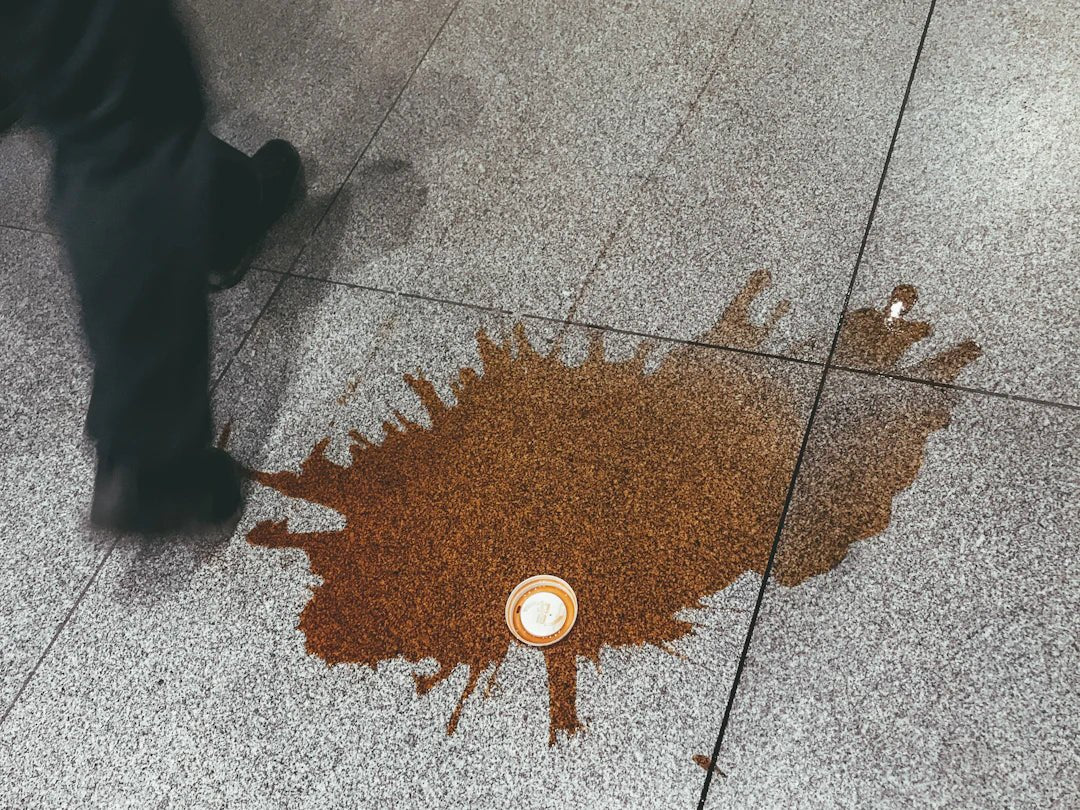
Learn effective techniques for removing tough stains from your home by understanding the types of stains (organic vs. inorganic) and having the right cleaning tools. Essential items include microfiber cloths, stain remover sprays, and soft-bristle brushes. Quick tips for specific stains like coffee, grease, ink, and rust are provided, along with preventive measures and the importance of eco-friendly cleaning solutions. Equip yourself with knowledge and a comprehensive home cleaning kit to keep your living space stain-free.
Table of Contents
- Understanding Different Types of Stains
- Organic Stains
- Inorganic Stains
- Essential Tools in Your Stain-Fighting Arsenal
- Microfiber Cloths
- Stain Remover Spray
- Soft-Bristle Brush
- Bucket and Sponge
- Techniques for Tackling Specific Tough Stains
- Food and Beverage Stains
- Grease Stains
- Ink Stains
- Biological Stains
- Rust Stains
- Preventing Future Stains
- The Importance of Choosing Eco-Friendly Solutions
- Your Path to Stain-Free Living Awaits
Key Takeaways
- Identify Stain Types: Stains are categorized into organic (food, grease, biological) and inorganic (rust, ink, mineral deposits), each requiring different cleaning methods.
- Essential Tools: Equip your cleaning kit with microfiber cloths, stain remover sprays, soft-bristle brushes, buckets, and sponges for effective stain removal.
- Immediate Action: Address spills immediately to increase the chances of successful stain removal and prevent permanent damage.
- Specific Techniques: Use dish soap and vinegar for coffee stains, baking soda for grease, rubbing alcohol for ink, and hydrogen peroxide for blood stains.
- Preventive Measures: Regularly maintain surfaces, use coasters, and keep a stain removal kit ready to avoid future stains.
- Eco-Friendly Solutions: Opt for natural cleaning ingredients like vinegar, baking soda, and lemon juice to effectively tackle stains while being environmentally conscious.
- Empower Yourself: Knowledge of cleaning techniques and having the right tools can make tackling tough stains easier and more efficient.
Life can get messy, and stains can be a homeowner's worst nightmare. Whether it’s that spilled cup of coffee on your favorite couch, a red wine blotch on your tablecloth, or unsightly child art on the walls, tough stains are part of life. Luckily, understanding the right techniques and methods for tackling these stains can save you from a potential cleaning disaster. This comprehensive guide will delve into various cleaning techniques while subtly emphasizing the importance of having a reliable home cleaning kit on hand.
Understanding Different Types of Stains
The first step in your stain-removal journey is to identify what kind of stain you're dealing with. Stains can generally be categorized into two main categories - organic and inorganic. Each type requires unique approaches for effective removal.
Organic Stains
Organic stains originate from substances that are derived from living organisms. Common organic stains include:
- Food and beverage stains: Coffee, tea, wine, and fruit juices fall into this category.
- Grease stains: Originating from oils and fats found in food.
- Biological stains: Such as blood, sweat, and other bodily fluids.
Inorganic Stains
In contrast, inorganic stains come from non-living sources. Common inorganic stains include:
- Rust stains: Often seen on fabrics or surfaces affected by metal.
- Ink stains: Commonly from pens and markers.
- Mineral deposits: Like hard water stains found on faucets and glass.
By understanding the type of stain, you can better choose appropriate cleaning methods and solutions. Having a diverse home cleaning kit will enable you to tackle both organic and inorganic stains effectively.
Essential Tools in Your Stain-Fighting Arsenal
You don’t have to be a professional cleaner to tackle tough stains. The key is knowing what tools and solutions to use. Below, we highlight essential tools that should be included in your home cleaning kit.
Microfiber Cloths
Microfiber cloths are a staple in any cleaning kit. Their fibers are designed to trap and lift dirt and stains without damaging surfaces. They are reusable, machine washable, and extremely effective for both wet and dry cleaning.
Stain Remover Spray
A quality stain remover spray is a must-have in your home cleaning kit. These sprays are specially formulated to break down specific types of stains and are a quick and easy solution for surface-level problems.
Soft-Bristle Brush
Equip your cleaning kit with a soft-bristle brush for scrubbing surfaces gently. This is especially useful for more resilient stains that may require a little extra elbow grease without damaging the material.
Bucket and Sponge
A bucket for mixing and carrying your cleaning solutions and a sponge for applying them can also enhance your cleaning capabilities. Make sure to have a sturdy sponge that can tackle tough stains without scratching surfaces.
Techniques for Tackling Specific Tough Stains
Now that we understand the different types of stains and the tools available, let’s dive into some effective techniques for cleaning tough stains, so you can restore your surfaces like a pro.
Food and Beverage Stains
Food and beverage stains can be particularly tricky, but with the right technique, they can be managed successfully:
Coffee and Tea: Blot the stain immediately with a clean microfiber cloth. Avoid rubbing, as this can worsen the stain. Mix one tablespoon of dish soap, one tablespoon of white vinegar, and two cups of warm water. Soak a cloth in this solution and blot the stain until it lifts.
Red Wine: Pour a small amount of white wine on the stain to neutralize it, and then immediately blot it with a clean towel. Afterwards, apply the dish soap and vinegar solution to clean the area thoroughly.
Grease Stains
Grease stains occur frequently in the kitchen. Here's how to tackle them:
Start by sprinkling baking soda or cornstarch on the grease stain to absorb the oil. Let it sit for 15 minutes, then brush away the powder. Next, use a sponge drenched in a mix of warm water and dish soap to scrub the area gently until the stain has lifted.
Ink Stains
Ink stains can be more persistent, but don't fret. Use rubbing alcohol as your secret weapon:
Using a cotton ball, dab a small amount of rubbing alcohol directly onto the ink stain. Let it sit for about five minutes and then blot the area with a clean cloth. Repeat until the stain is removed. Rinse with cold water afterward.
Biological Stains
Biological stains, such as blood, require immediate action for effective removal:
Use cold water (never hot!) to rinse the stained area immediately. Then mix hydrogen peroxide with water in a one-to-one ratio. Apply this to the stain, allowing it to bubble for a few minutes before blotting it with a clean cloth.
Rust Stains
Rust stains are tricky but can be removed with the right approach:
Mix lemon juice with baking soda to create a paste and apply it directly to the rust stain. Let it sit for several hours, then scrub gently with a soft-bristle brush. Rinse the surface afterward to remove any remaining residue.
Preventing Future Stains
Once you've successfully tackled tough stains, it’s essential to take preventive measures to avoid their recurrence. Here are some useful tips:
- Clean spills immediately: The sooner you attend to a spill, the better your chances of preventing a permanent stain.
- Use coasters and placemats: Protect your furniture by using coasters under drinks and placemats under hot dishes.
- Keep a stain removal kit ready: Having a well-stocked home cleaning kit ensures you're prepared for any unexpected accidents.
- Regularly maintain fabrics and surfaces: Regular cleaning and upkeep can prevent the build-up of stubborn stains.
The Importance of Choosing Eco-Friendly Solutions
As the focus shifts towards a more sustainable lifestyle, many homeowners are looking for eco-friendly cleaning methods. Many traditional cleaning products contain harsh chemicals that can adversely affect both our health and the environment.
By opting for natural cleaning solutions, you can effectively mitigate stain issues without compromising your family's well-being or the planet. Simple ingredients like vinegar, baking soda, and lemon juice can perform wonders when combined creatively in your home cleaning kit.
Your Path to Stain-Free Living Awaits
Effective stain removal isn’t just about having the right tools in your home cleaning kit; it’s also about knowing the right techniques to employ. With this comprehensive guide at your disposal, tackling tough stains will become a breeze. Empower yourself with knowledge and the right cleaning arsenal, and soon, you’ll be equipped to handle even the most challenging spills. Enjoy the satisfaction that comes from restoring your surfaces to their original glory, and say goodbye to tough stains for good!
Frequently Asked Questions
1. What are the main categories of stains discussed in the blog?
2. What are some examples of organic stains?
3. What essential tools should be included in a home cleaning kit for stain removal?
4. How can I remove a red wine stain effectively?
5. What are some preventive measures to avoid future stains?
Glossary
| Term | Meaning |
|---|---|
| Organic Stains | Stains from living organisms, like food and bodily fluids. |
| Inorganic Stains | Stains from non-living sources, such as rust and ink. |
| Microfiber Cloths | Cloths designed to trap dirt without scratching surfaces. |
| Stain Remover Spray | A spray formulated to break down specific stains quickly. |
| Soft-Bristle Brush | A gentle brush for scrubbing without damaging materials. |
| Biological Stains | Stains from bodily fluids, requiring immediate attention. |
| Preventive Measures | Actions taken to avoid future stains, like immediate cleanup. |
| Eco-Friendly Solutions | Natural cleaning methods that are safe for health and the environment. |
| Rust Stains | Stains caused by oxidized metal, often requiring special treatment. |
| Food and Beverage Stains | Common stains from drinks and food, needing specific techniques. |
Linked Product

Ultimate Home Cleaning Kit
The Ultimate Home Cleaning Kit provides a comprehensive solution for tackling various cleaning tasks throughout your home and on the go. With multiple all-purpose cleaners, a glass cleaner, and specialized cleaning gel, this kit ensures you have the right tools to maintain a spotless environment in any space. Additionally, the included scented sachets help keep your closets and drawers smelling fresh.
View Product
Share:
Upholstery and Carpet Care: Keeping Fabrics Fresh
The Importance of Air Quality in Home Cleaning