
Overview
Maintaining a clean home improves both aesthetics and air quality, which is crucial for health. Common indoor pollutants like dust, pollen, and mold can negatively impact air quality. Use eco-friendly cleaning products, natural solutions, and establish regular cleaning routines to reduce pollutants. Consider using air purifiers and monitoring air quality for a healthier living space.
Table of Contents
- Why Air Quality Matters in Households
- Common Indoor Pollutants
- The Connection Between Cleaning and Air Quality
- Choosing the Right Cleaning Products
- Natural Cleaning Solutions
- Implementing Regular Cleaning Routines
- The Benefits of Air Purifiers
- Creating a Safe Cleaning Environment
- Ventilation is Key
- Eco-Friendly Practices in Cleaning
- Addressing Humidity Levels
- Monitoring Air Quality
- Embarking on a Healthier Cleaning Journey
Key Takeaways
- Air Quality Impact: Poor indoor air quality can lead to health issues such as allergies, respiratory diseases, and cardiovascular problems.
- Common Pollutants: Dust mites, pollen, pet dander, mold, and VOCs are prevalent indoor pollutants that can degrade air quality.
- Eco-Friendly Products: Choose non-toxic and eco-friendly cleaning products to minimize harmful fumes and improve air quality.
- Natural Cleaners: Utilize natural cleaning solutions like vinegar and baking soda to effectively clean without compromising air quality.
- Regular Cleaning Routines: Implement a consistent cleaning schedule, including weekly dusting and regular vacuuming with a HEPA filter.
- Air Purifiers: Integrate air purifiers into your home to continuously filter air and reduce allergens and odors.
- Humidity Control: Maintain humidity levels between 30-50% to prevent mold growth and enhance comfort in your home.
Maintaining a clean home is not just about aesthetics; it directly impacts the air quality within your living space. Whether you are a hardcore cleaning enthusiast or someone who prefers minimal maintenance, understanding how air quality influences your cleaning routine is crucial. In this article, we will explore the intricate relationship between air quality and household cleaning, emphasizing the importance of a Home Cleaning Kit that accommodates both cleanliness and healthy air.
Why Air Quality Matters in Households
Indoor air quality is often overlooked in household maintenance. However, recent studies have shown that poor air quality can contribute to numerous health issues, including allergies, respiratory diseases, and even cardiovascular problems. Most people spend a substantial amount of their time indoors, which makes it essential to consider the air we breathe.
Common Indoor Pollutants
Many households host a variety of pollutants that can degrade air quality. Some of the most common indoor pollutants include:
- Dust Mites: These microscopic critters thrive in textiles and can cause severe allergic reactions.
- Pollen: Even if you live far from nature, pollen can easily sneak inside through open windows and doors.
- Pet Dander: For pet owners, dander can be a significant trigger for allergies.
- Mold and Mildew: These fungi develop in humid areas and can significantly worsen indoor air quality.
- Volatile Organic Compounds (VOCs): These can come from household cleaners and are emitted as gases from certain solids or liquids.
The Connection Between Cleaning and Air Quality
Cleaning your home serves a dual purpose: it enhances the aesthetic appeal and improves air quality. However, the methods and products you choose to clean can either positively or negatively impact the air you breathe.
Choosing the Right Cleaning Products
When selecting items for your Home Cleaning Kit, consider using eco-friendly and non-toxic products. Many conventional cleaning products contain harsh chemicals that can release harmful fumes and contribute to poor air quality. Instead, opt for non-toxic alternatives that effectively clean without compromising your indoor air quality.
Natural Cleaning Solutions
Aside from choosing commercial products wisely, you might want to explore natural cleaning solutions. Common household items such as vinegar, baking soda, and essential oils can be powerful cleaners. Utilizing these can help maintain a clean home while also enhancing the air quality.
Implementing Regular Cleaning Routines
Consistency is key in maintaining both cleanliness and good air quality. By developing a focused cleaning schedule, you can significantly reduce the amount of dust, pollen, and other pollutants that accumulate over time. Here are some tips to consider:
- Weekly Dusting: Use microfiber cloths to trap dust rather than just moving it around.
- Vacuum Regularly: Ensure your vacuum cleaner has a HEPA filter to capture fine particles.
- Wash Fabrics: Regularly wash bedding, curtains, and other fabrics to eliminate dust mites and allergens.
- Air Out Rooms: Whenever possible, open windows and doors to allow fresh air into your home.
The Benefits of Air Purifiers
In addition to cleaning, another effective way to enhance air quality in your home is by using air purifiers. These devices can capture a wide range of contaminants, from dust and pollen to pet dander and smoke. Here’s why you might consider integrating an air purifier into your home cleaning routine:
- Continuous Air Filtering: An air purifier works continuously to remove harmful particles from the air, ensuring a clean environment.
- Reduction of Allergens: Air purifiers can significantly reduce allergens, making it easier for allergy sufferers to breathe comfortably.
- Odor Control: Many air purifiers are equipped to eliminate odors, adding freshness to your home.
Creating a Safe Cleaning Environment
When engaging in household cleaning, it's vital to create a safe environment. This means ensuring proper ventilation while cleaning and being aware of product mixing which can lead to harmful fumes. Always read labels and follow instructions to avoid unnecessary risks.
Ventilation is Key
While using cleaning products, ensure proper airflow throughout your home. Open windows and doors where applicable and consider using exhaust fans to direct fumes outside. Proper ventilation will promote good air quality and minimize the inhalation of potentially harmful chemicals.
Eco-Friendly Practices in Cleaning
As the awareness of environmental issues rises, eco-friendly cleaning practices are gaining traction. By adopting sustainable cleaning habits, you can enhance air quality while also doing your part for the environment. Here's how:
- Reduce Waste: Use reusable cleaning cloths instead of disposable ones.
- Make Your Own Cleaners: Use simple recipes to create effective cleaning solutions using ingredients like vinegar and baking soda.
- Buy in Bulk: Purchasing in bulk reduces packaging waste and often comes with a lower cost per use.
Addressing Humidity Levels
High humidity can lead to mold growth, significantly harming both air quality and health. Aiming for humidity levels between 30-50% can prevent mold while also making your home feel more comfortable. Consider investing in a dehumidifier to help control moisture levels.
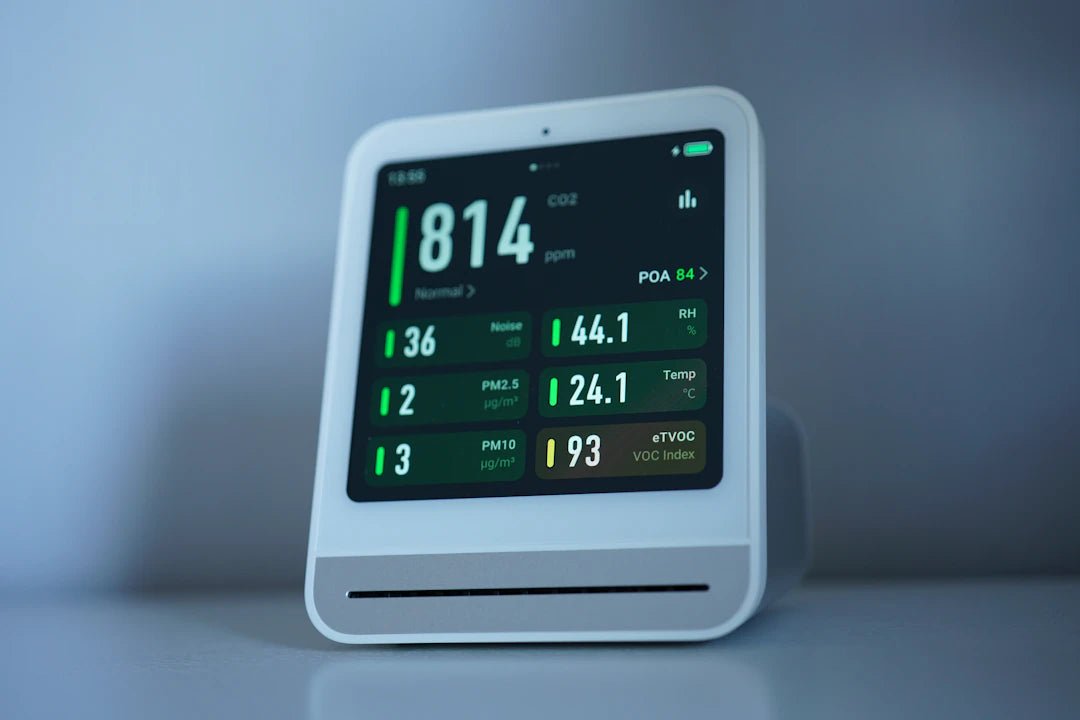
Monitoring Air Quality
Using air quality monitors can help you stay informed about the air you breathe. These devices can indicate levels of particulate matter, VOCs, and other pollutants. By monitoring the air quality, you can make informed decisions about your cleaning and maintenance routines.
Embarking on a Healthier Cleaning Journey
In the quest for a cleaner and healthier home, understanding the role of air quality is pivotal. By integrating effective cleaning practices with a well-thought-out Home Cleaning Kit, optimizing product choices, and recognizing the significance of clean air, you’ll not only enhance the aesthetics of your home but also create a healthier living space for yourself and your family.
Remember, cleanliness is not just about what meets the eye. The air we breathe affects our overall health and wellbeing, making it essential to maintain high air quality standards while pursuing home cleanliness. So gear up, get your cleaning kit ready, and embark on a journey toward a fresher, healthier home environment!
Frequently Asked Questions
1. Why is indoor air quality important in households?
2. What are common indoor pollutants?
3. How can cleaning affect air quality?
4. What are some eco-friendly cleaning practices?
5. How can I monitor and improve my home's air quality?
Glossary
| Term | Meaning |
|---|---|
| Air Quality | The condition of the air within and around your home, affecting health and comfort. |
| Indoor Pollutants | Substances that contaminate indoor air, potentially causing health issues. |
| Dust Mites | Microscopic creatures that thrive in household dust and can trigger allergies. |
| VOCs | Volatile Organic Compounds released from products that can harm air quality. |
| Home Cleaning Kit | A collection of cleaning supplies designed to maintain cleanliness and air quality. |
| Natural Cleaning Solutions | Eco-friendly cleaning alternatives using common household items like vinegar. |
| Air Purifiers | Devices that filter and clean the air by removing contaminants and allergens. |
| Humidity Levels | The amount of moisture in the air, affecting comfort and mold growth. |
| Eco-Friendly Practices | Sustainable cleaning methods that reduce environmental impact and improve air quality. |
| Ventilation | The process of circulating fresh air to improve indoor air quality during cleaning. |
Linked Product

Ultimate Home Cleaning Kit
to-reach areas in your home or vehicle. The Ultimate Home Cleaning Kit provides a versatile solution for maintaining cleanliness across various spaces, including kitchens, bathrooms, and offices. With its compact travel options and effective cleaning systems, you can achieve a spotless environment quickly and conveniently, no matter where you are.
View Product
Share:
Easy Tips to Maintain Your Home Between Deep Cleans
Effortless Tips for Cleaning Hard-to-Reach Areas